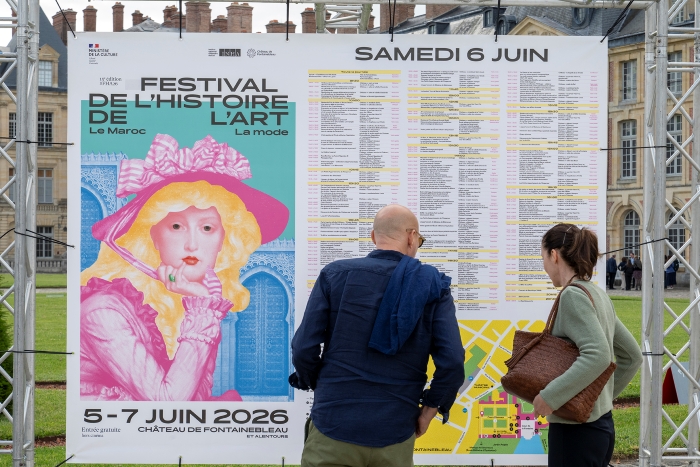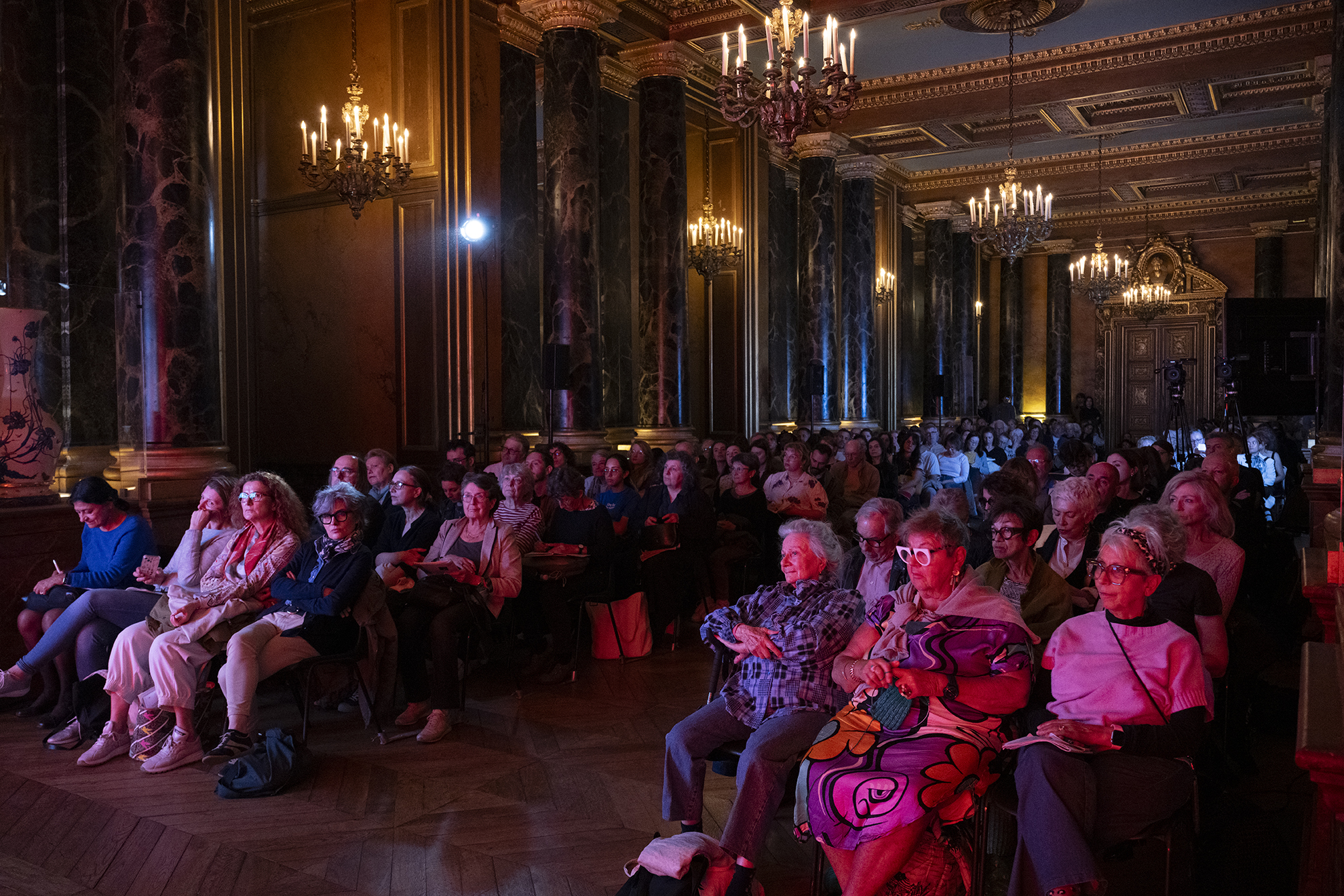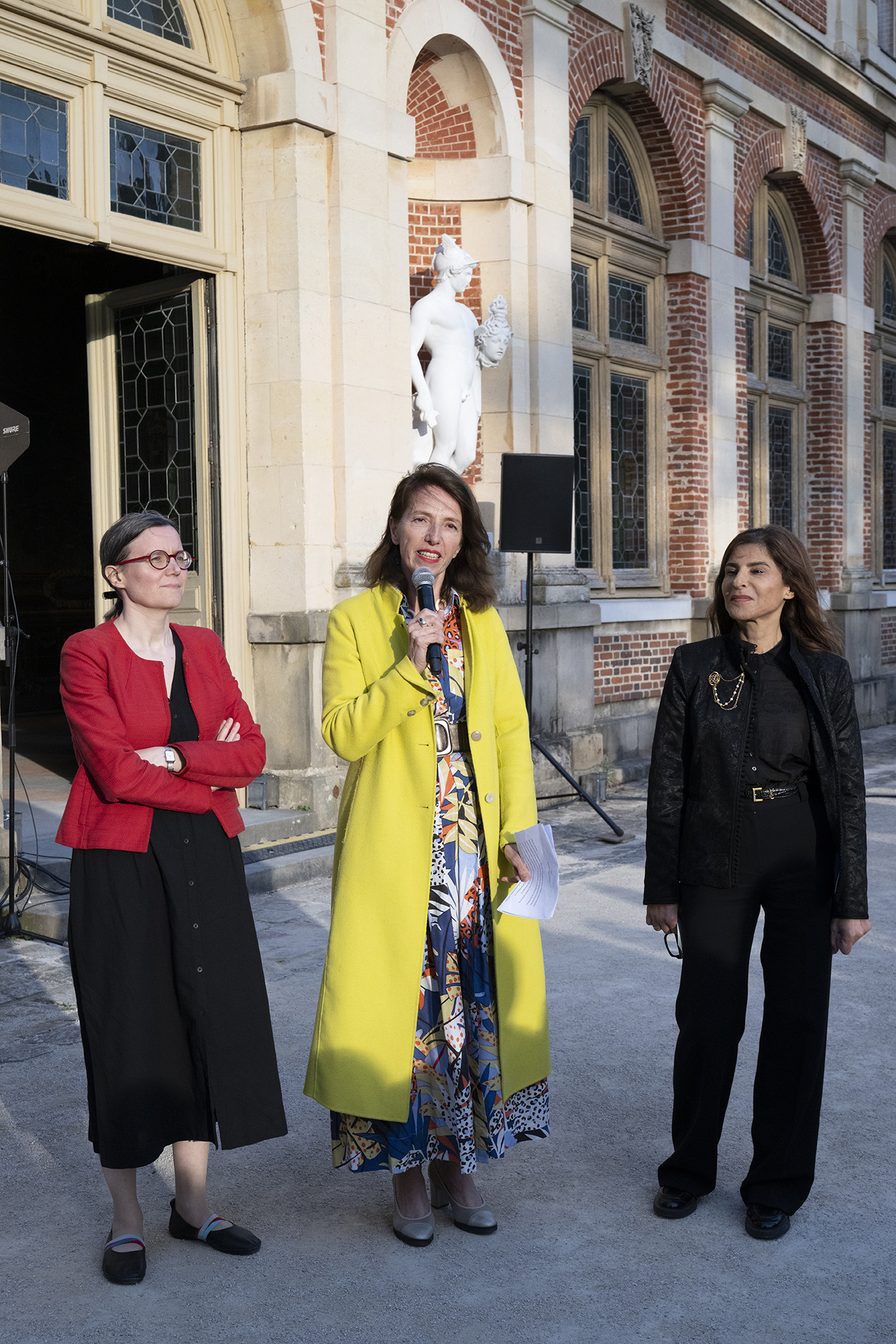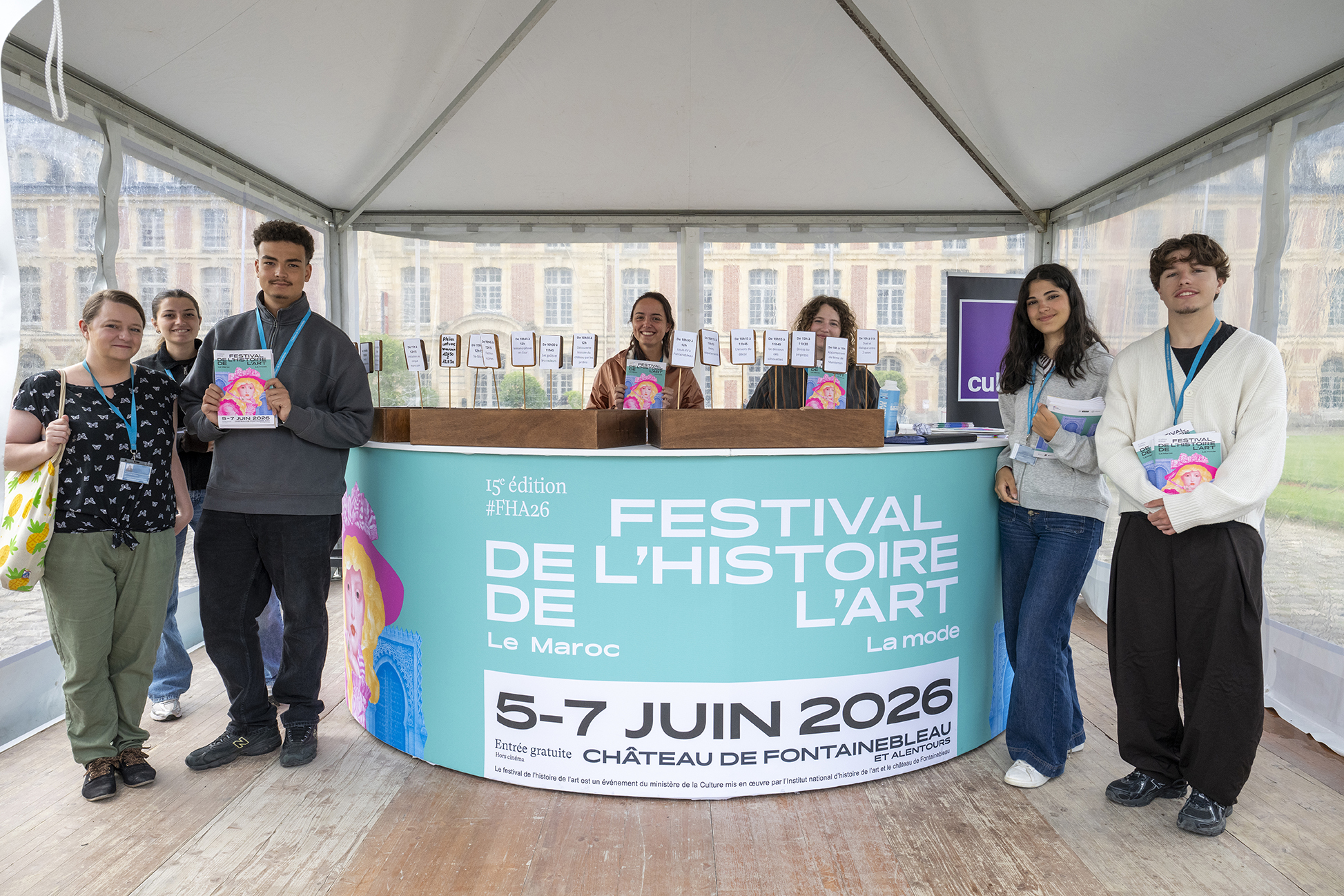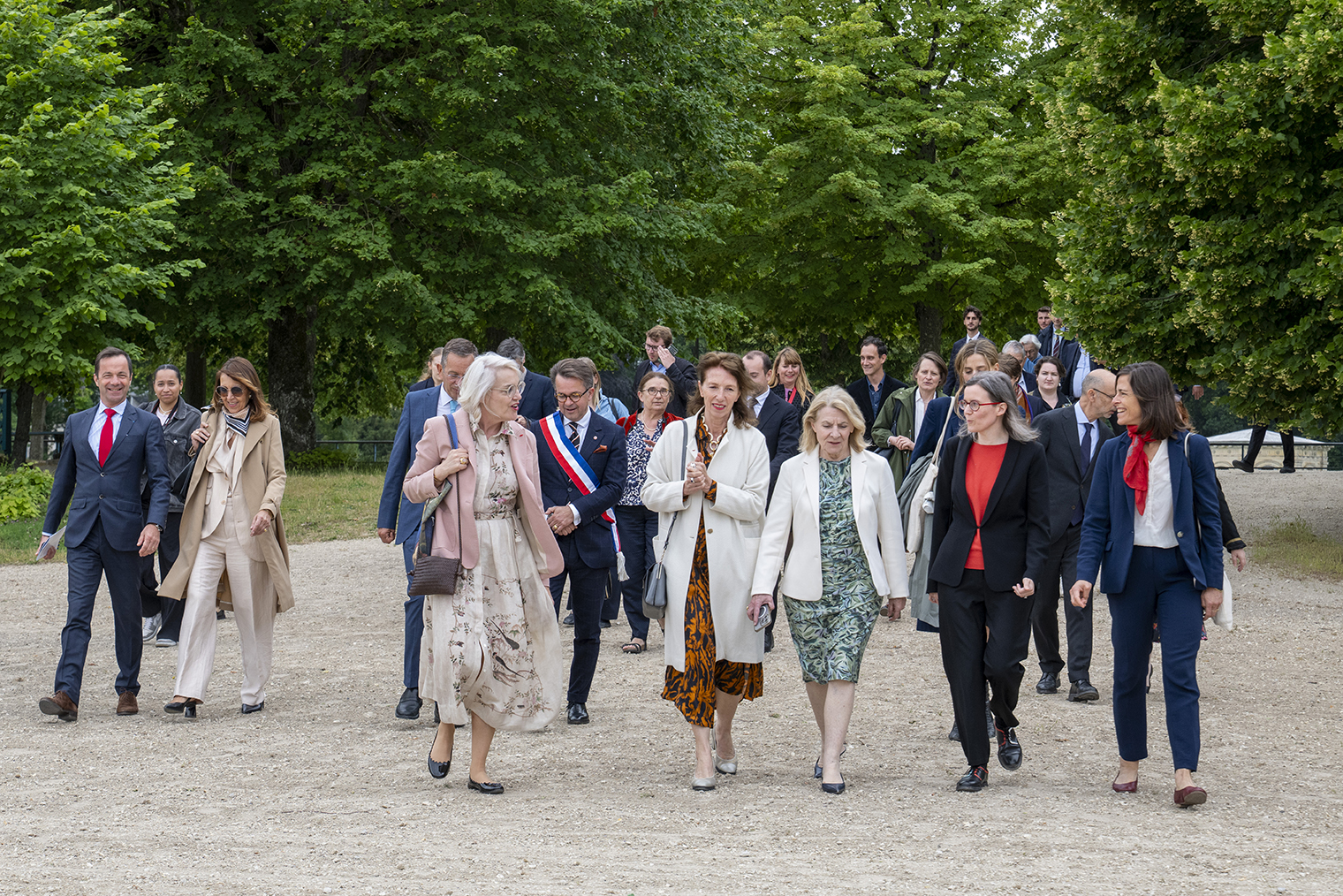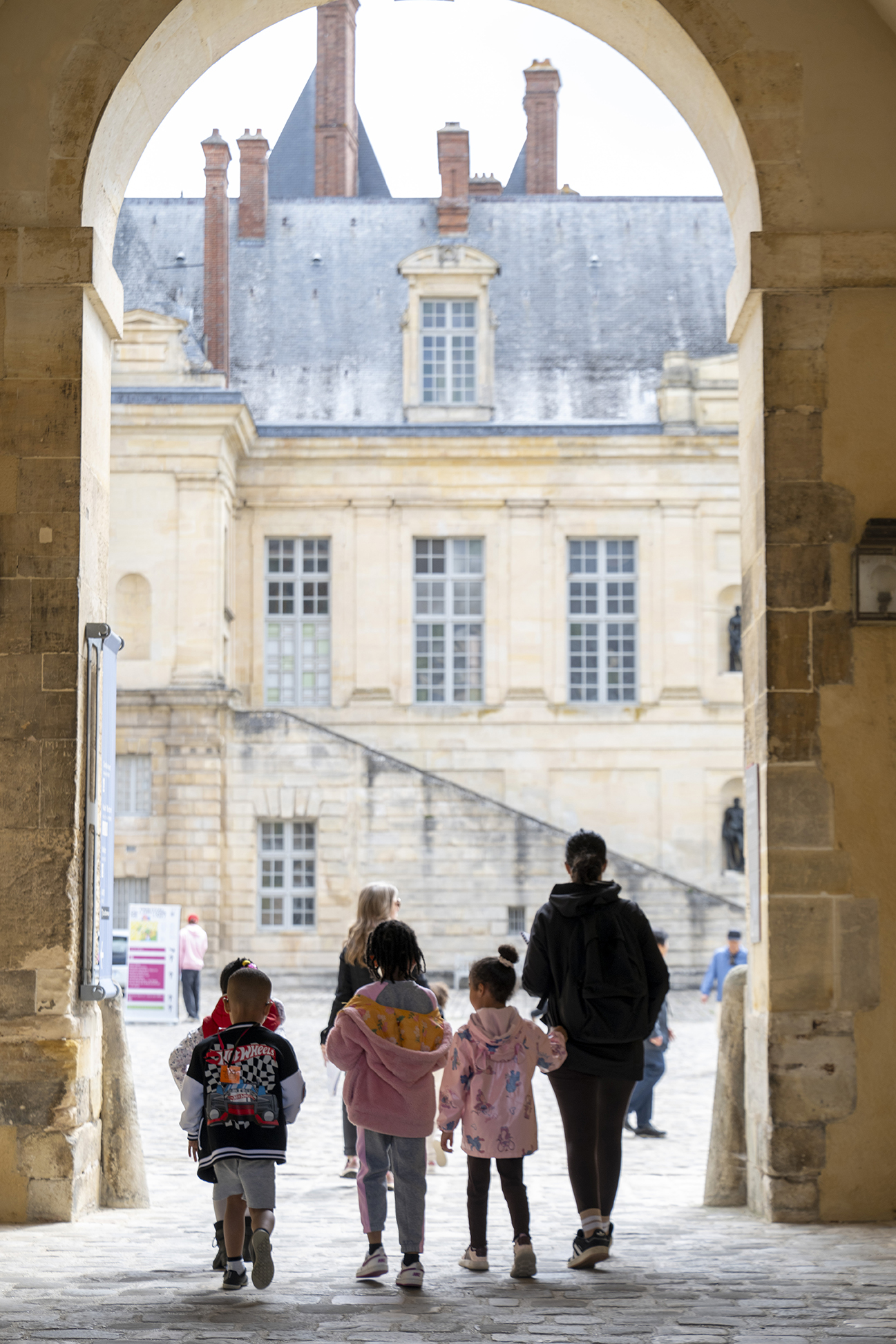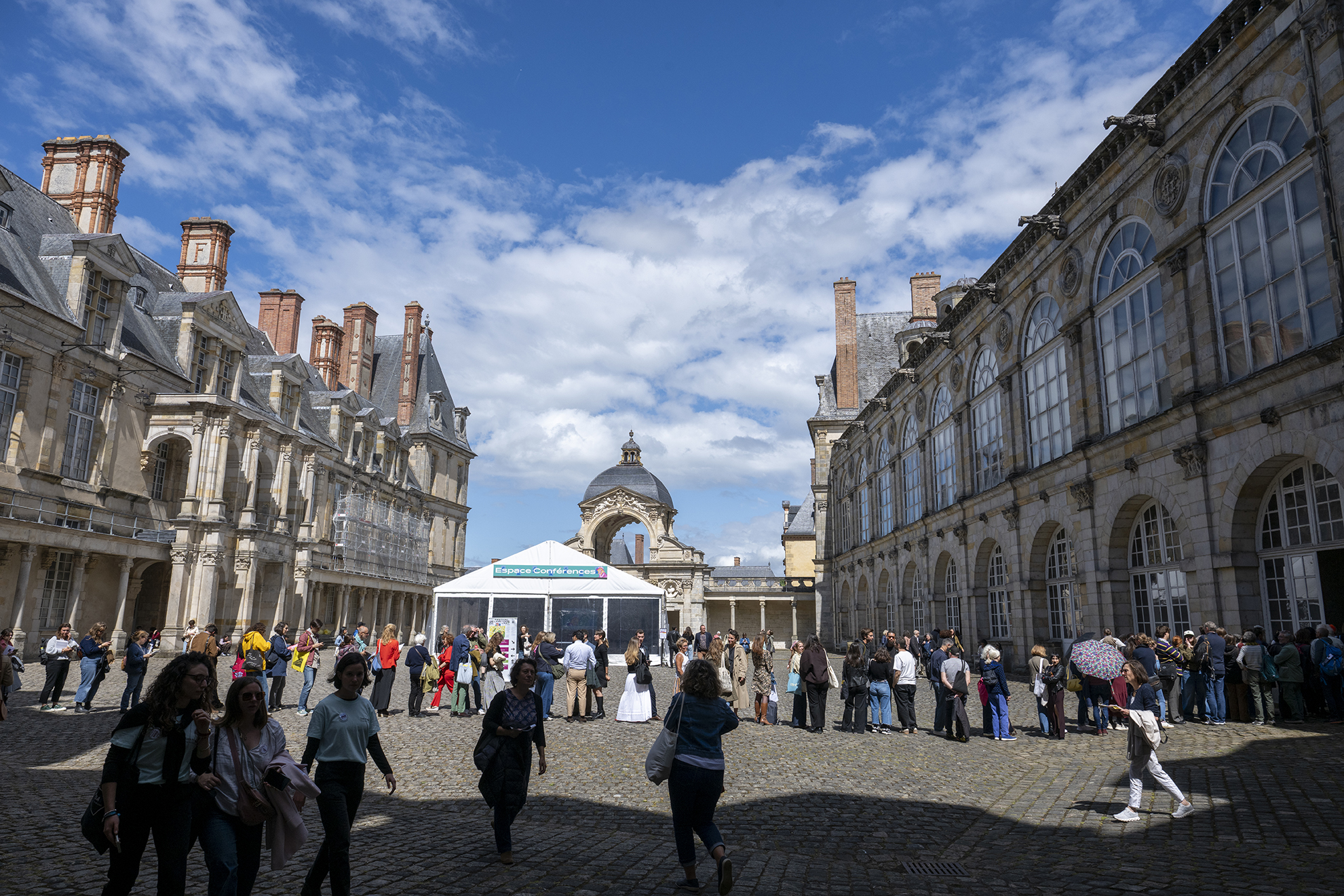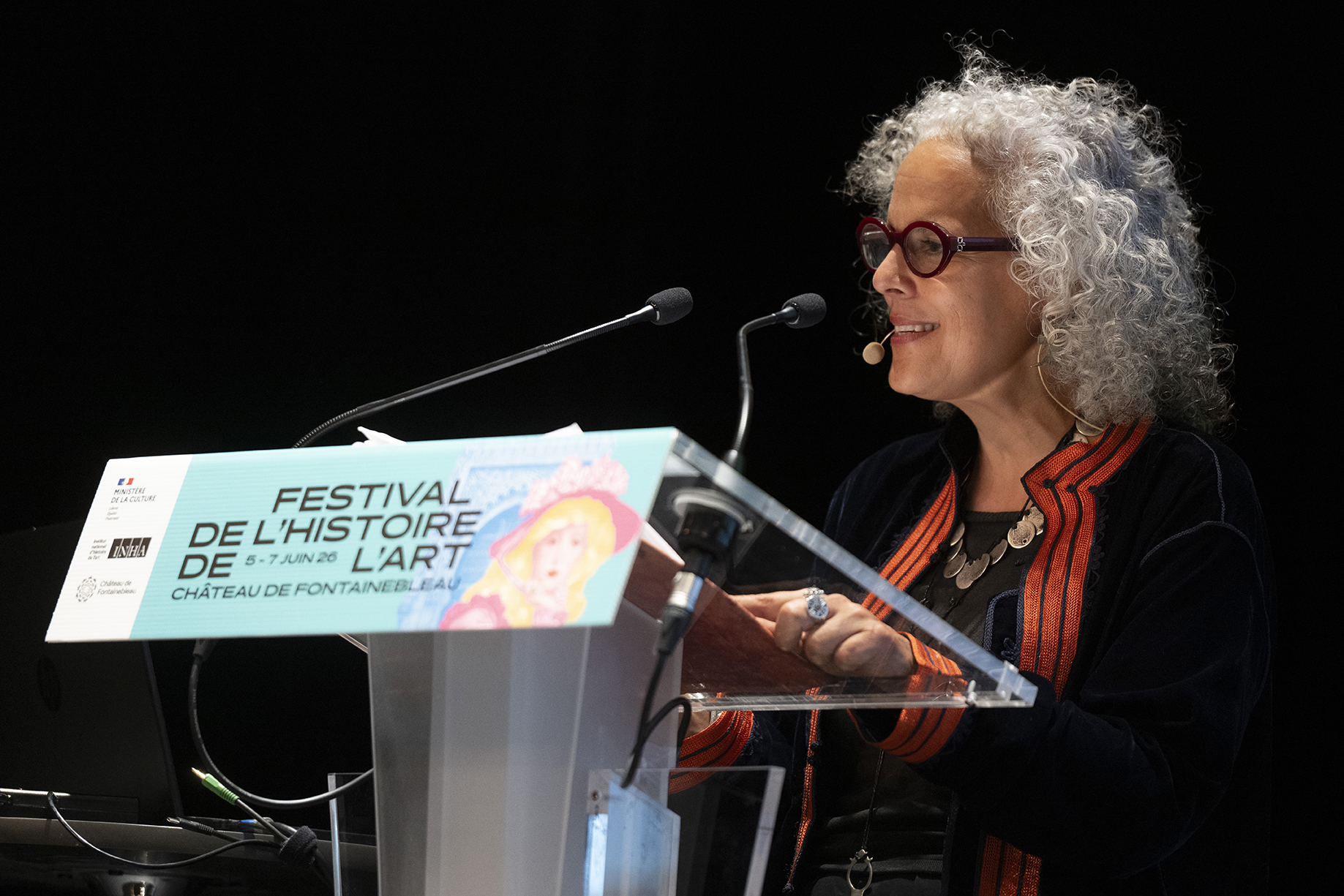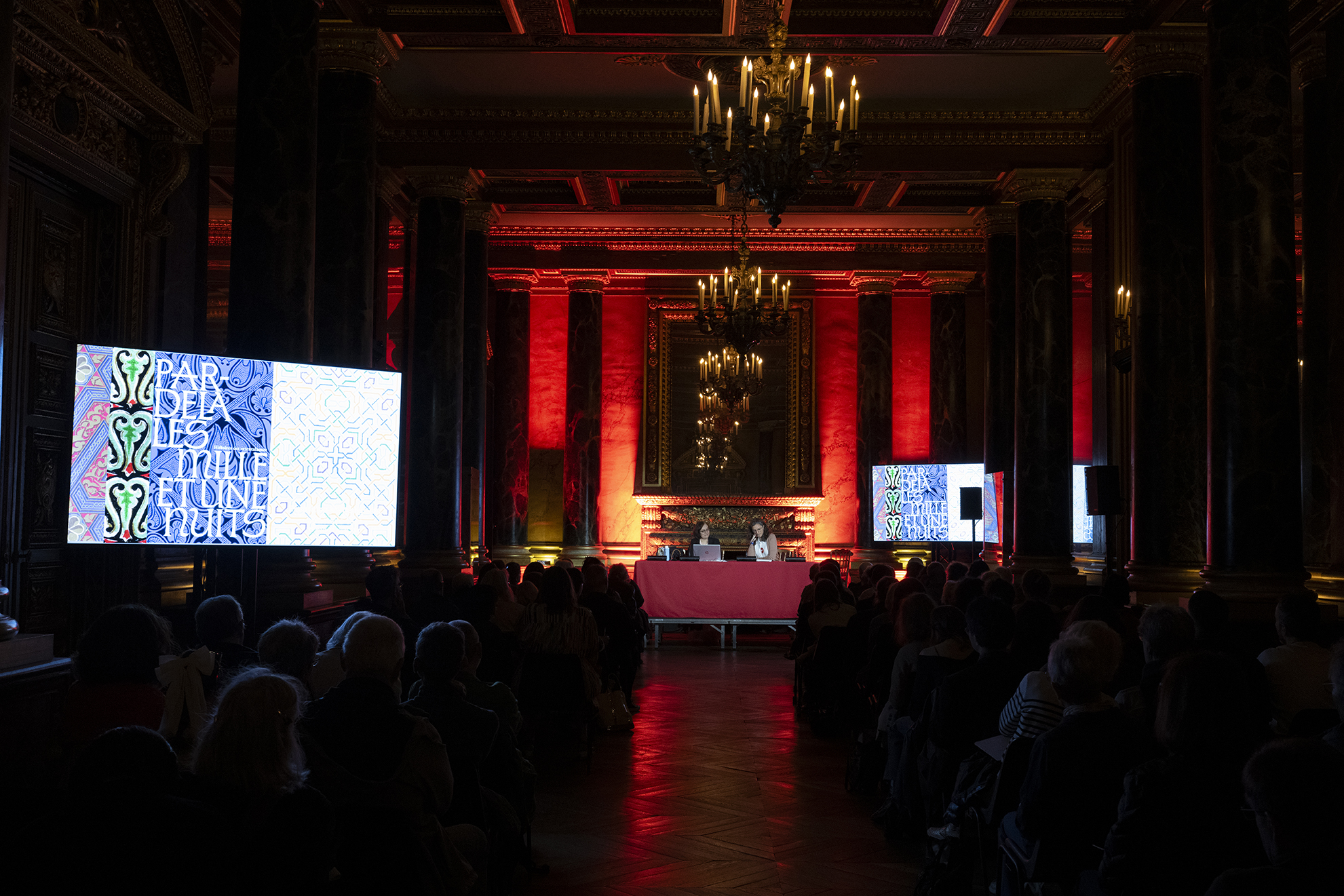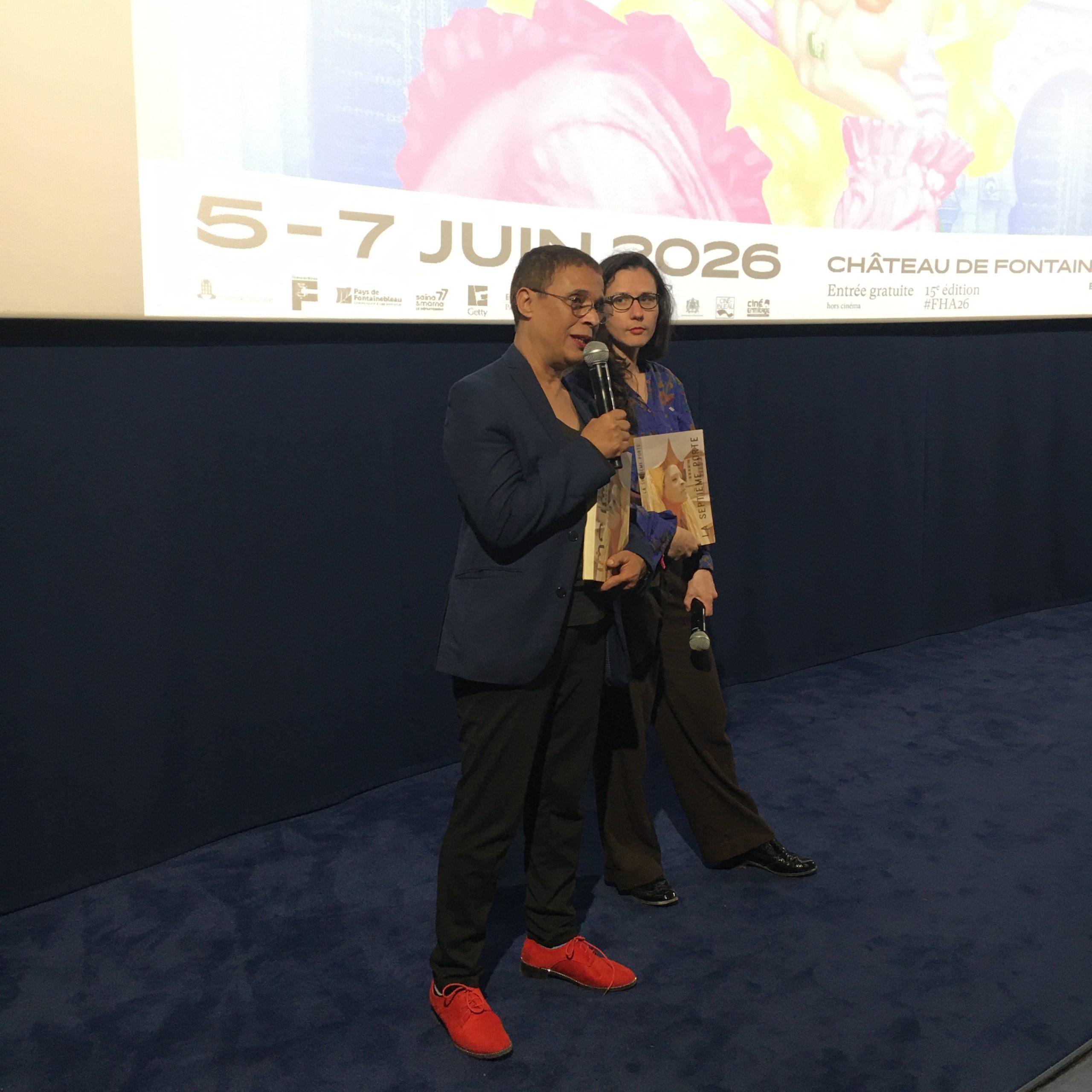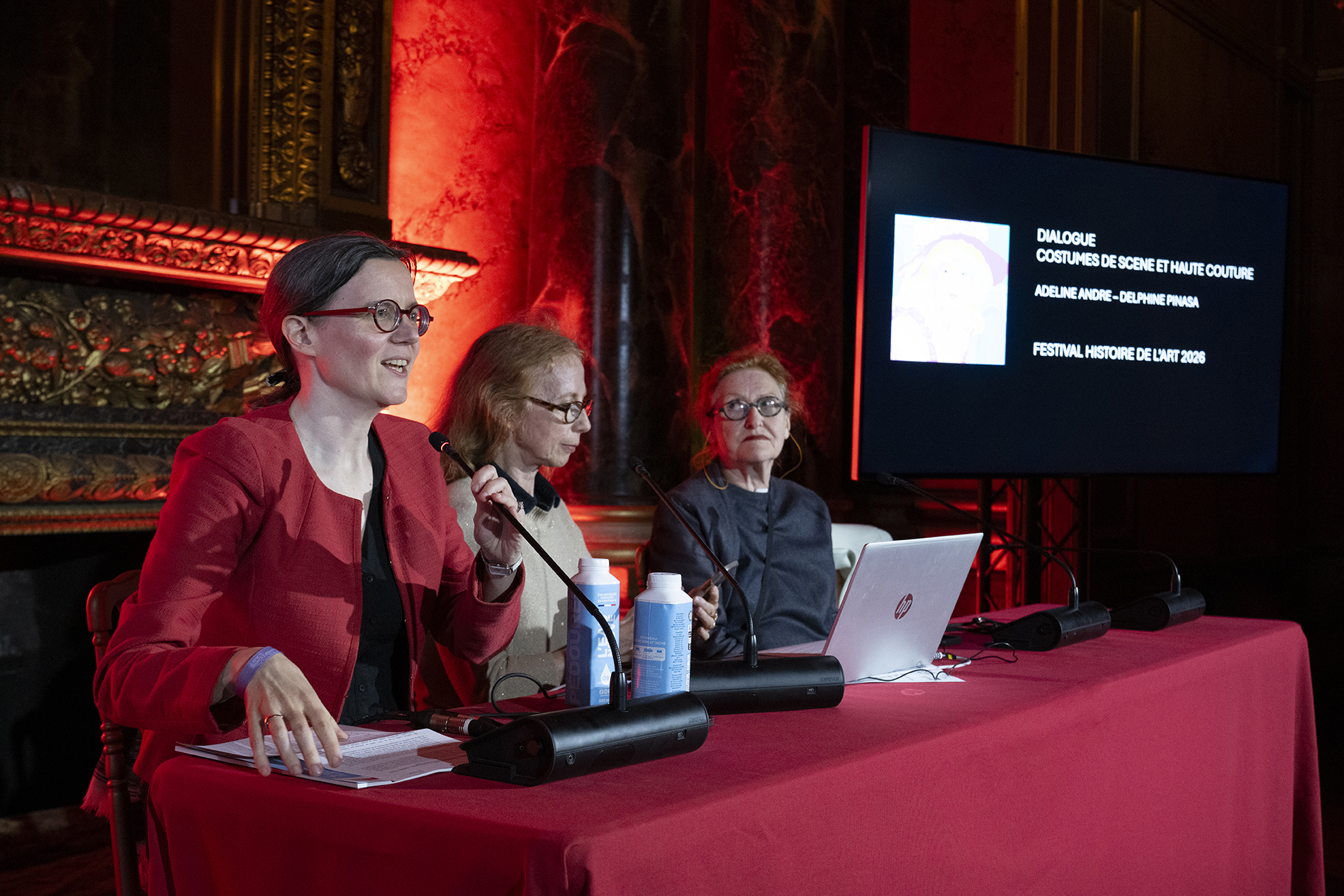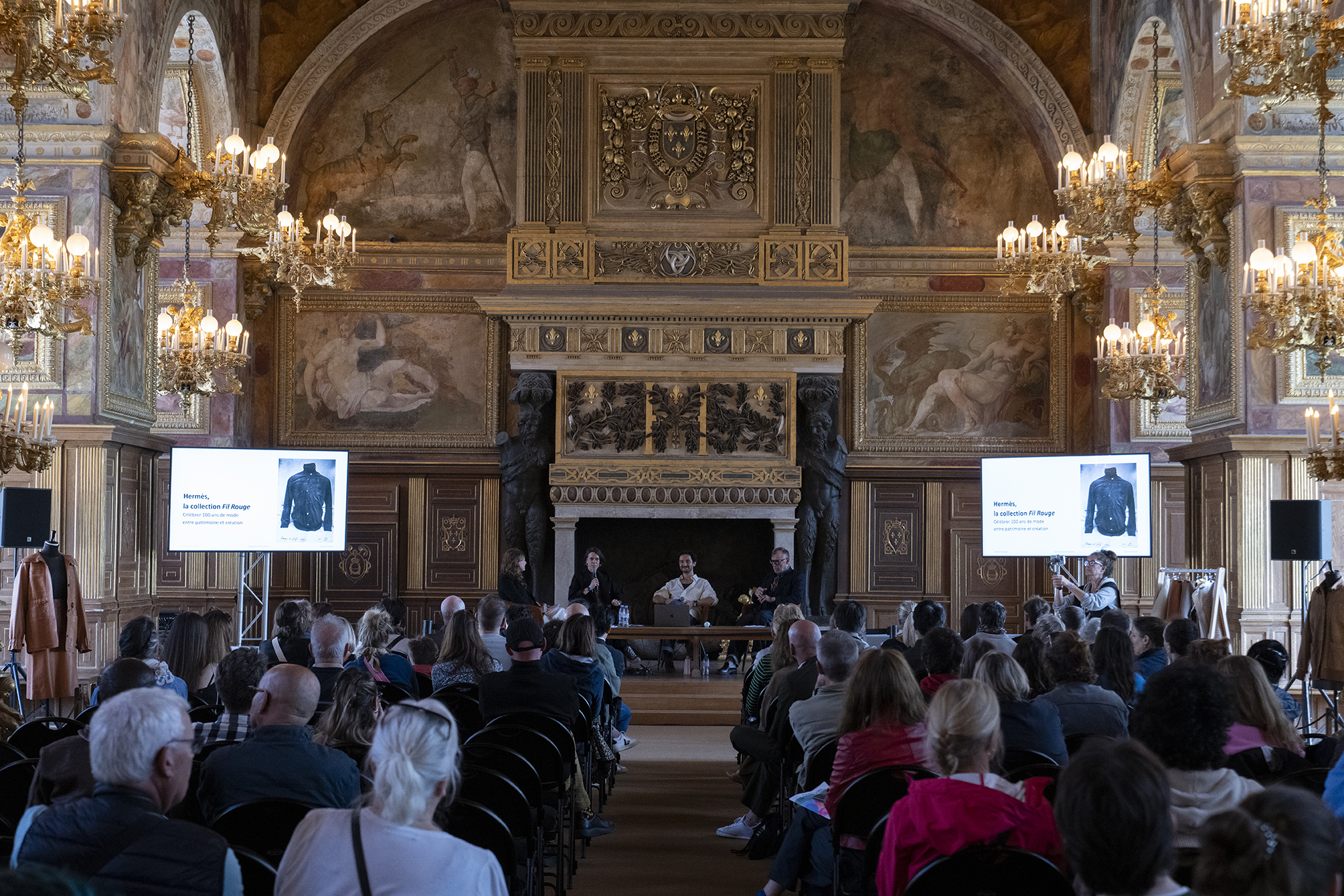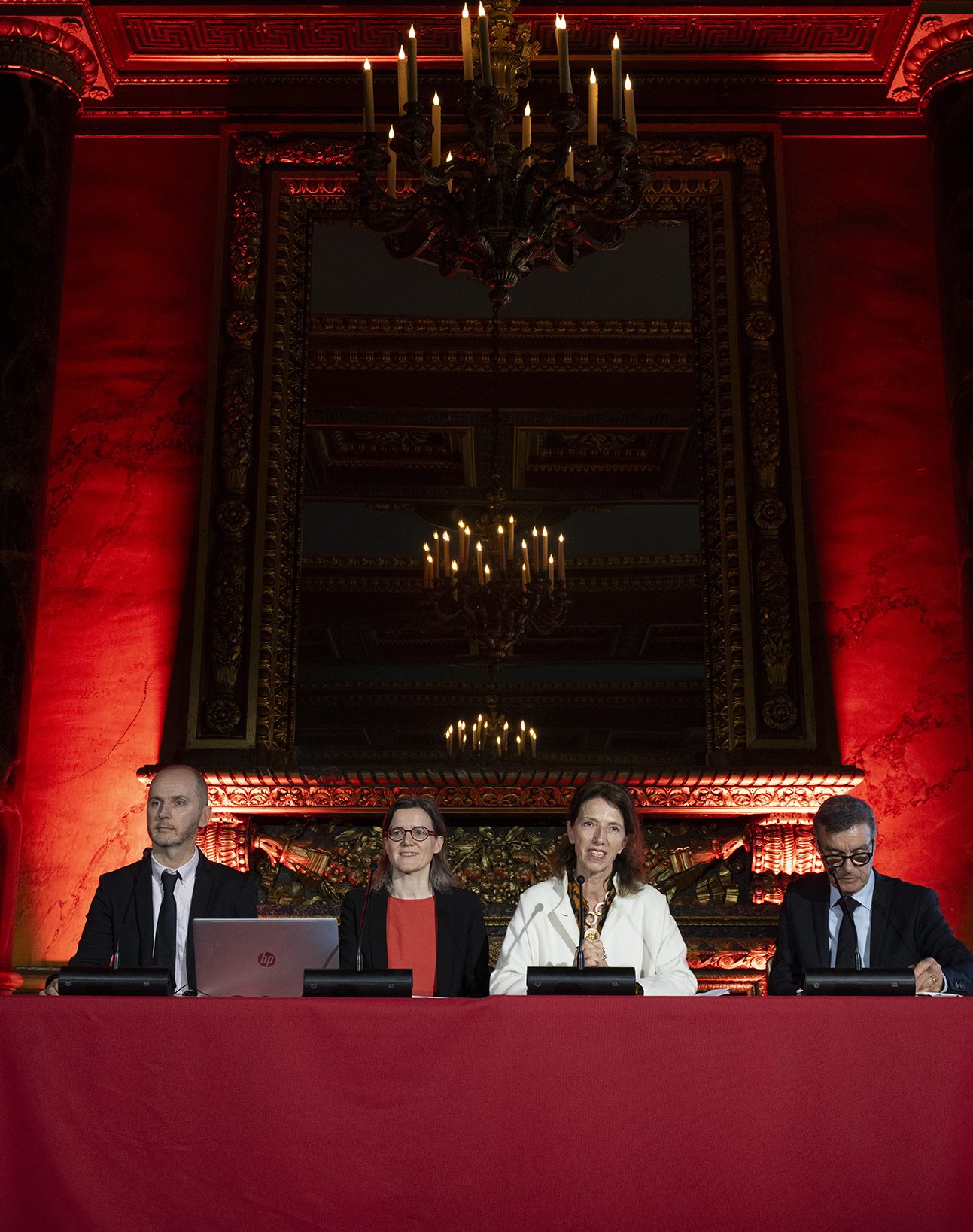
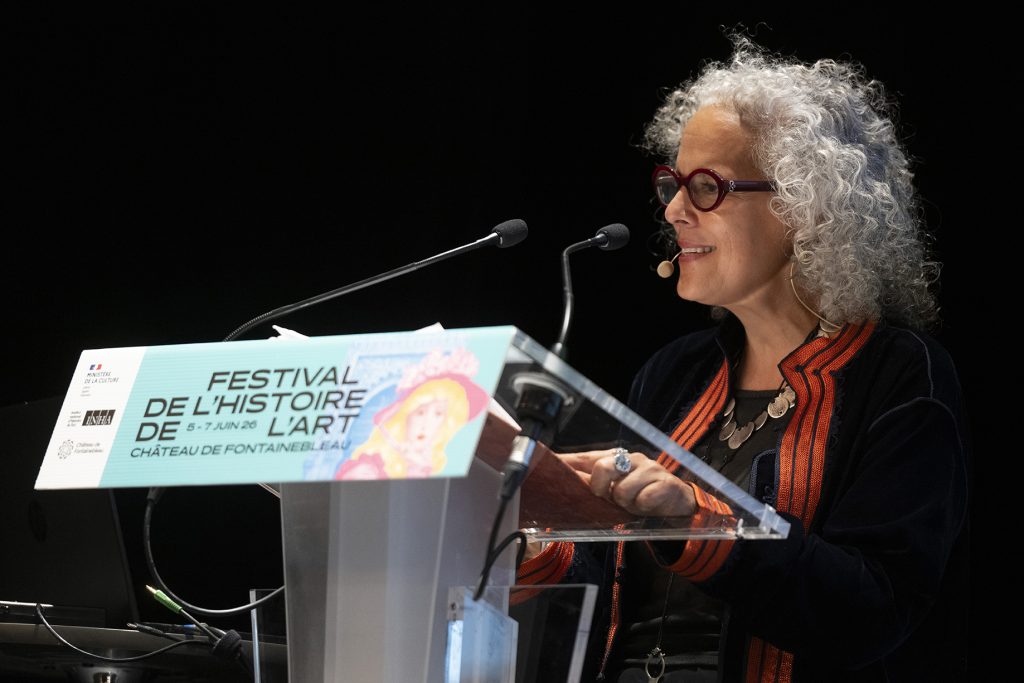
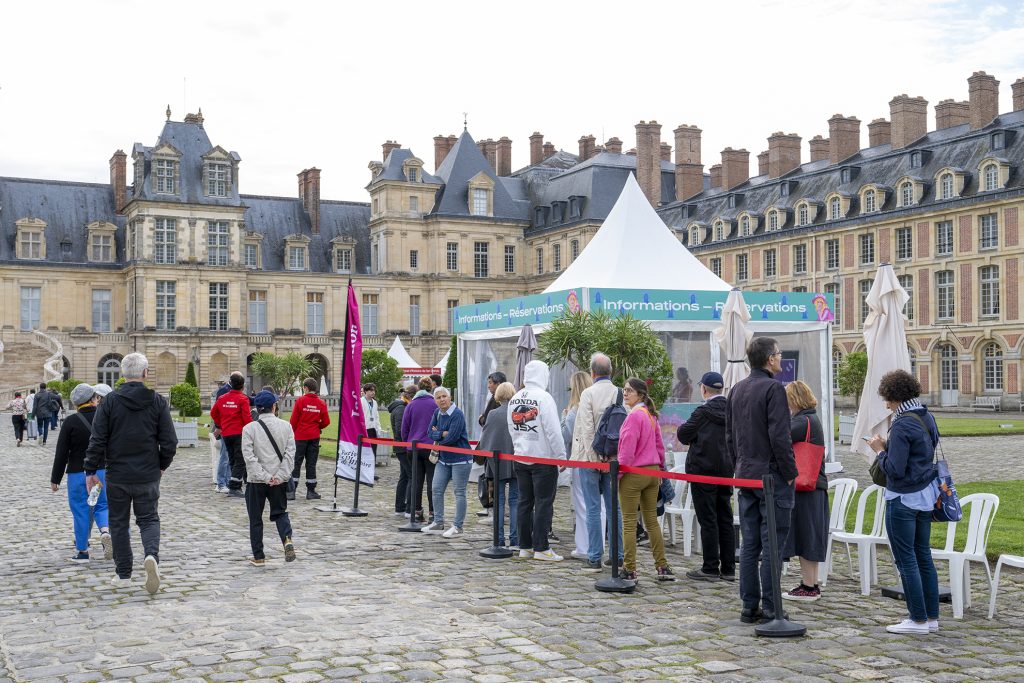
Free and open to all, the Festival de l’histoire de l’art reaffirmed its role as a major event for sharing knowledge, welcoming 39,000 visits from 5 to 7 June 2026. Organised by the Institut national d’histoire de l’art (INHA) and the Château de Fontainebleau, the 15th edition featured more than 300 events, bringing together academic research, heritage, contemporary creation and the transmission of knowledge.
The vitality of research, heritage and contemporary creation: the Moroccan art scene
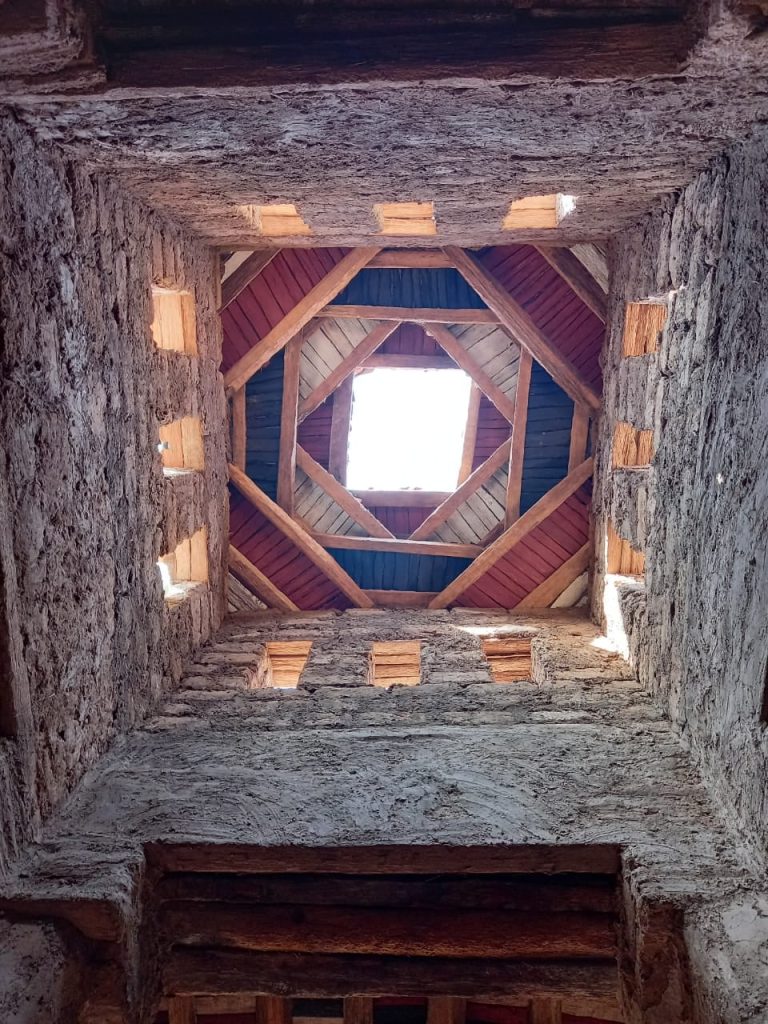
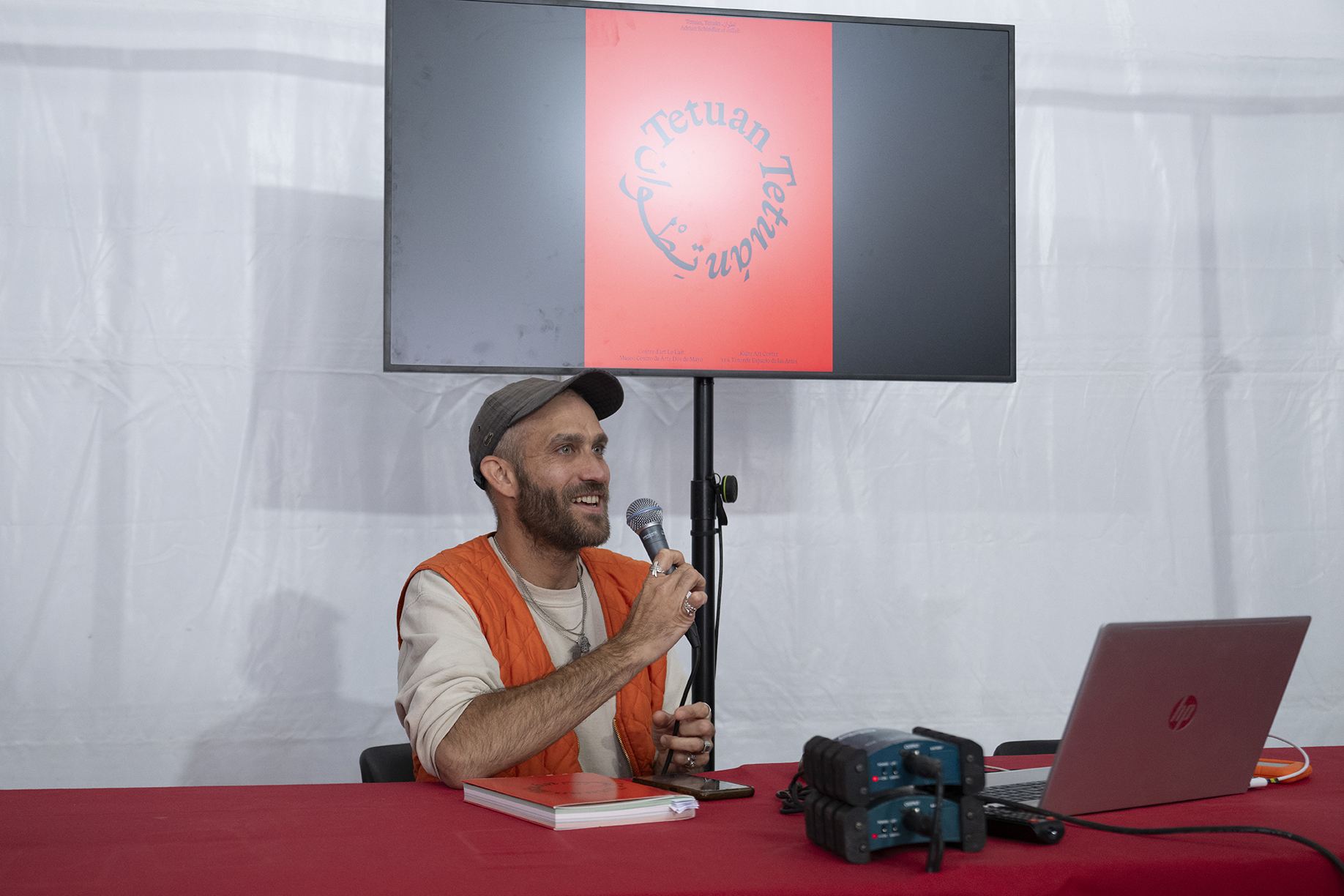
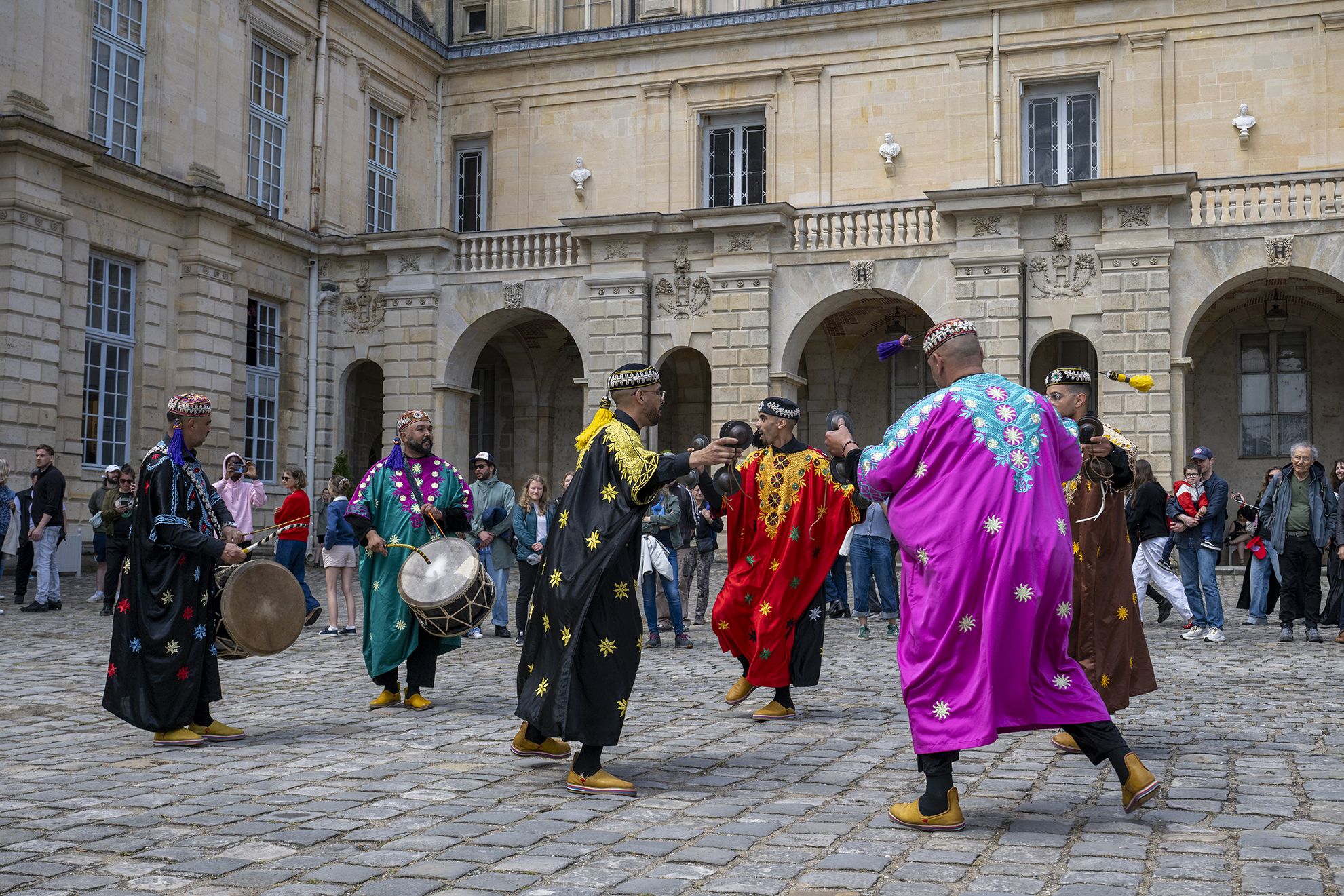
Dedicated to fashion and Morocco, the first African country to be invited since the Festival was founded, this edition offered a genuine shift in perspective, moving beyond established narratives to bring different heritages, geographies and viewpoints into dialogue.
By opening the Festival more widely to artistic scenes and research from the African continent, the programme fostered new conversations between artists, researchers, curators, museum professionals, students and the wider public.
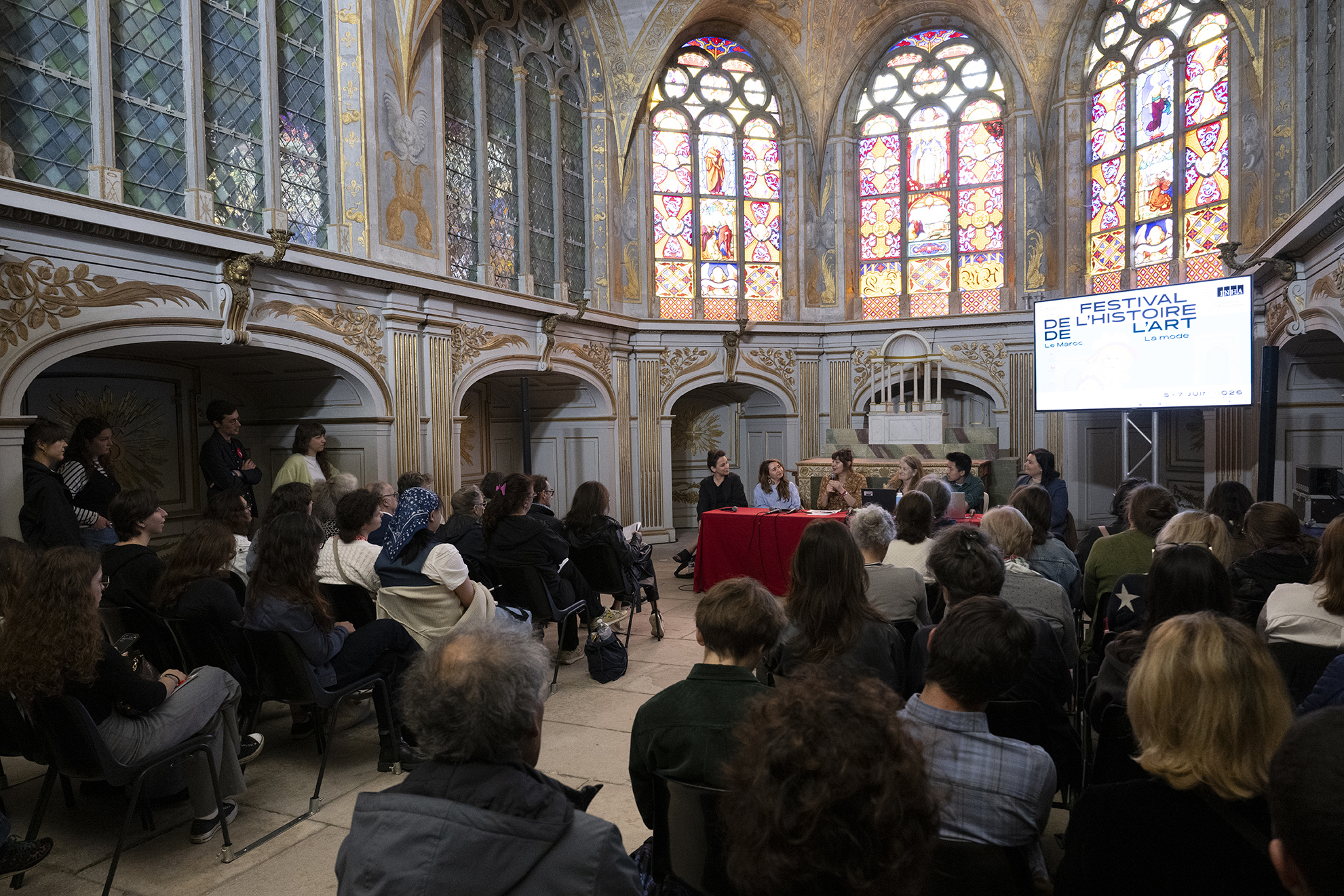
Thanks to a major Moroccan delegation, leading figures including Salima Naji, Amina Agueznay, Izza Génini, Abdellah Karroum, Fatima Mazmouz and Nabil Ayouch highlighted the vitality of research, heritage and contemporary creation in Morocco, while offering fresh perspectives on artistic exchanges and circulation between Africa, Europe and the Mediterranean.
Fashion as a laboratory for research, practice and creation
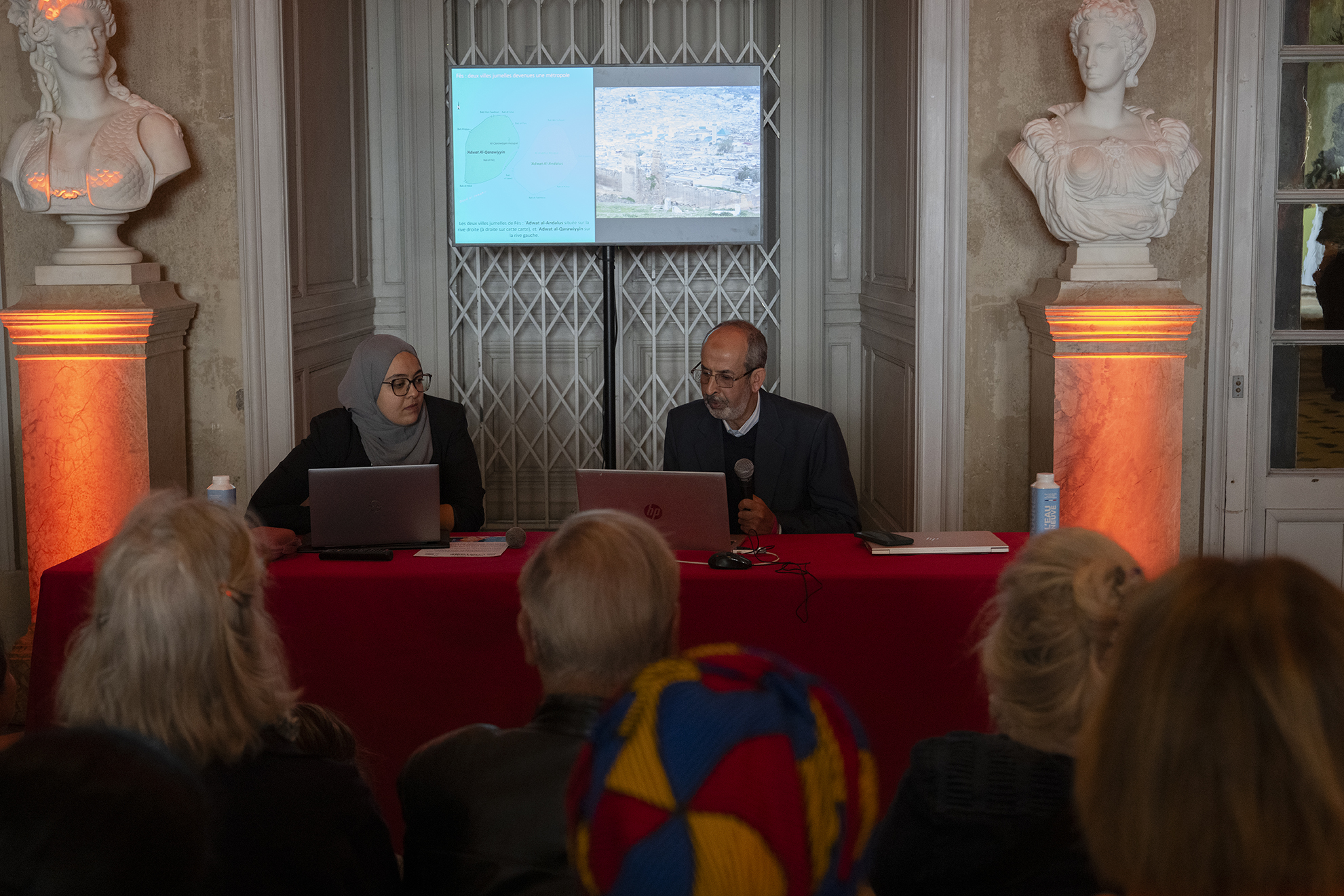
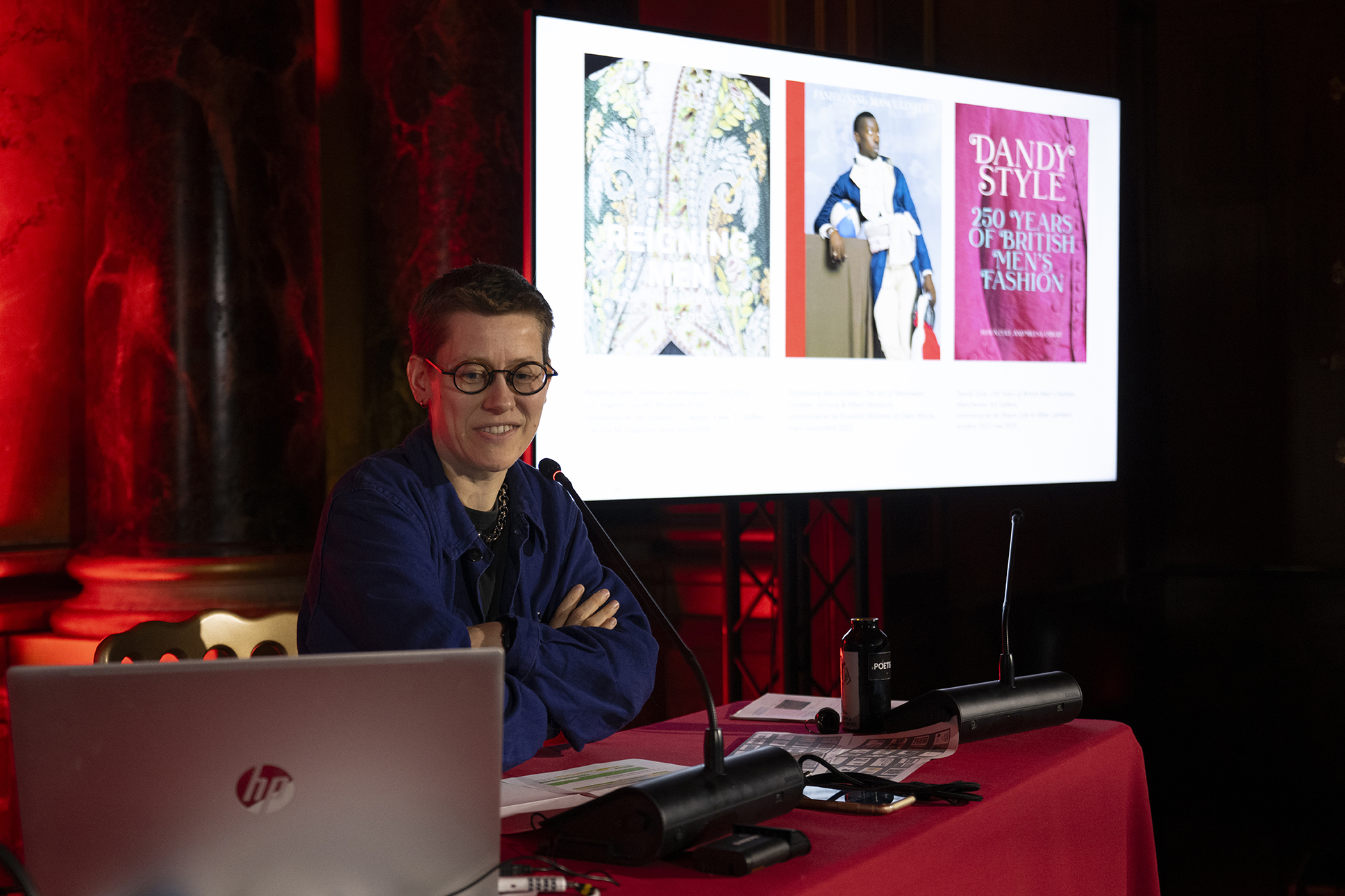
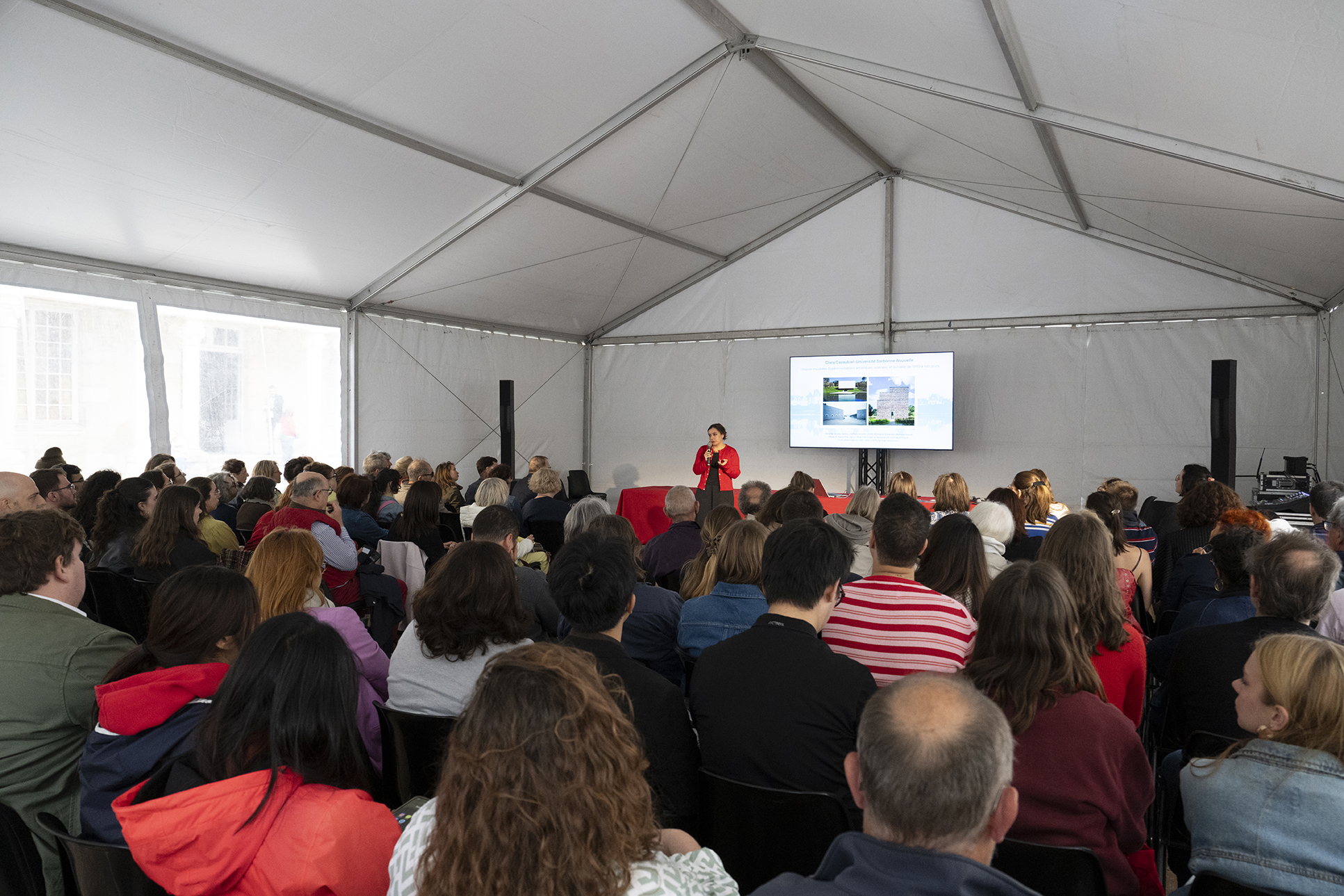
The theme of fashion confirmed the growing importance of this field within art-historical research. The many lectures, panel discussions and encounters demonstrated the extent to which clothing provides a rich lens through which to explore representation, craftsmanship, cultural exchange, and contemporary social, aesthetic and political issues.
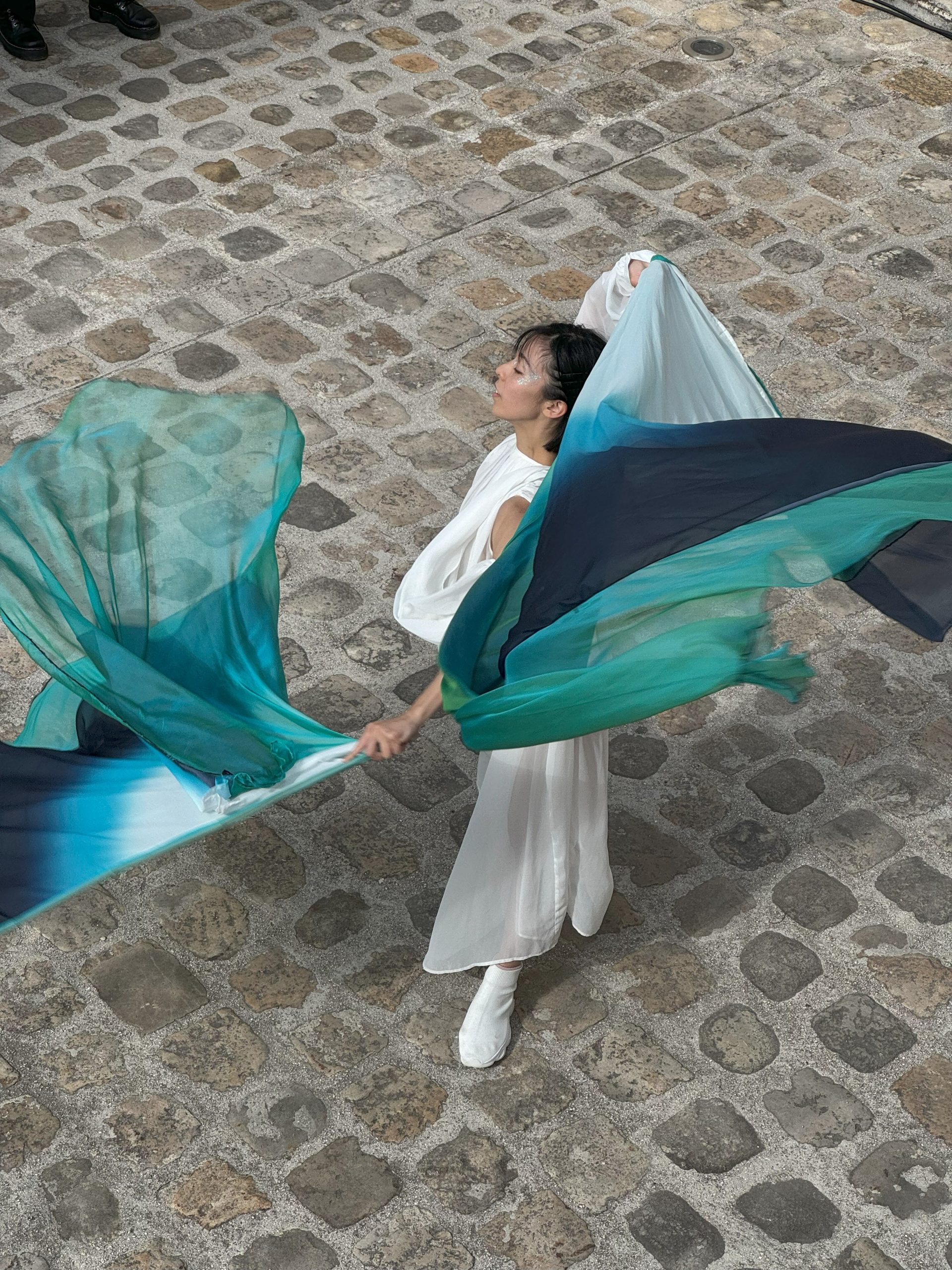
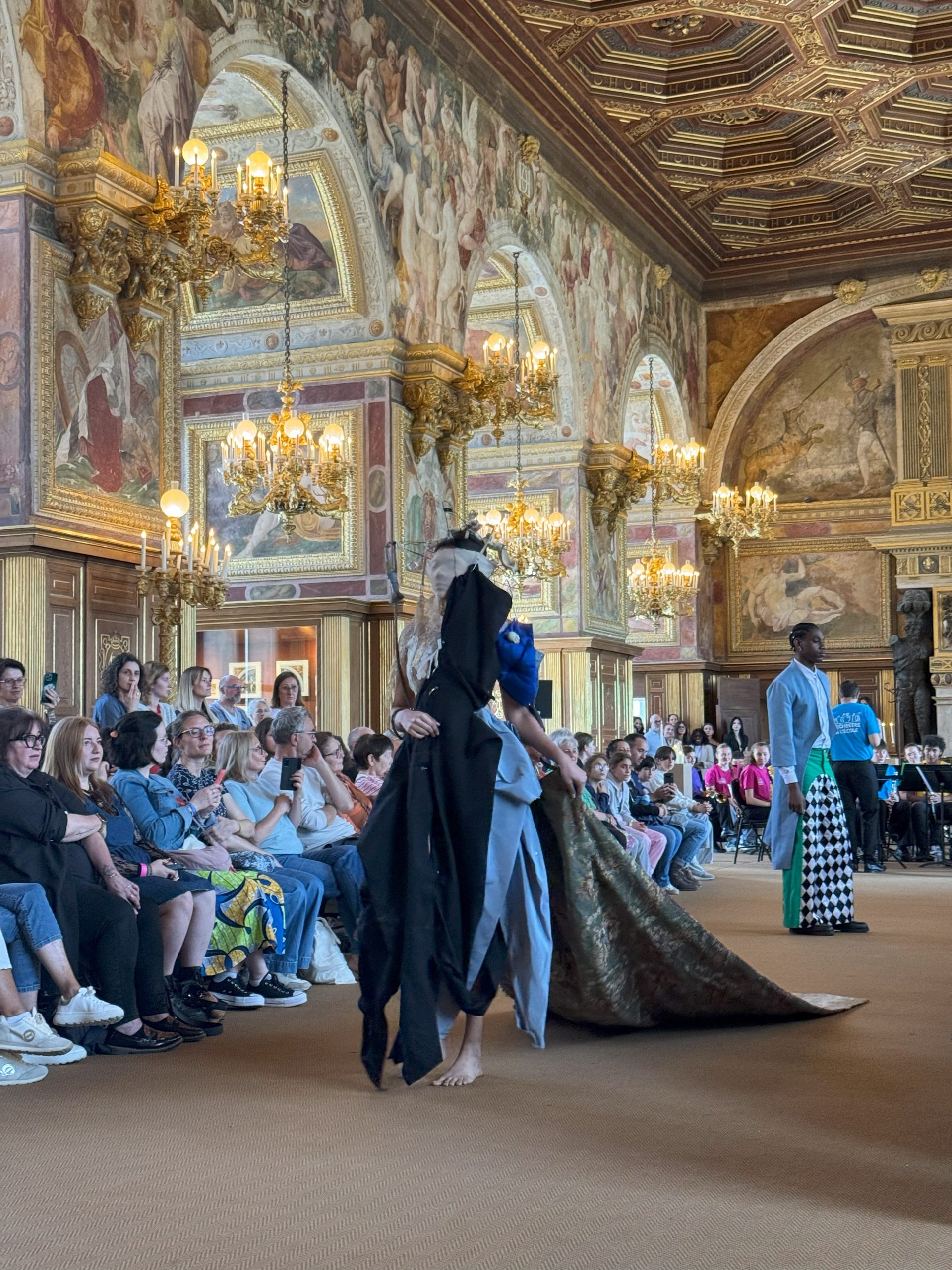
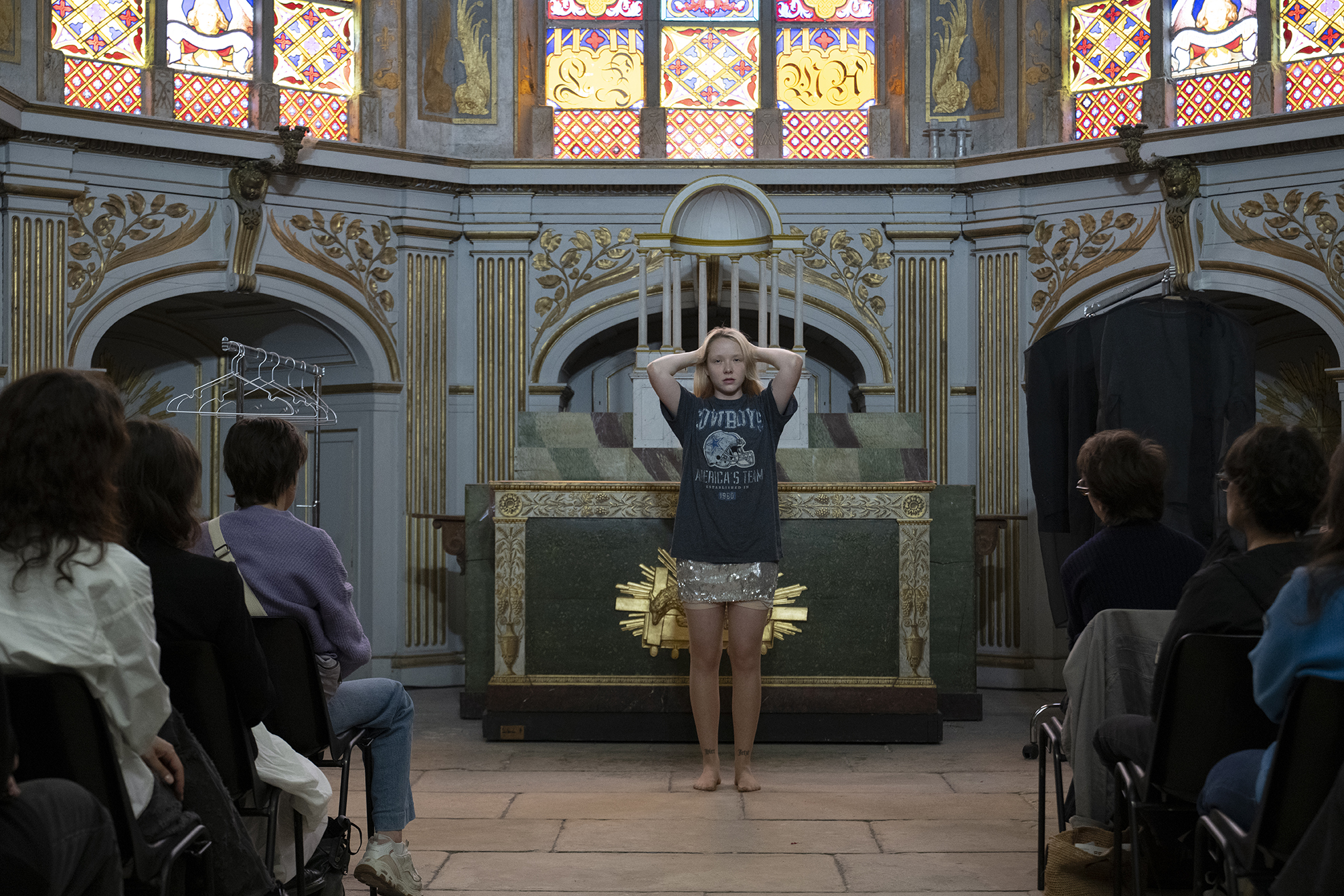
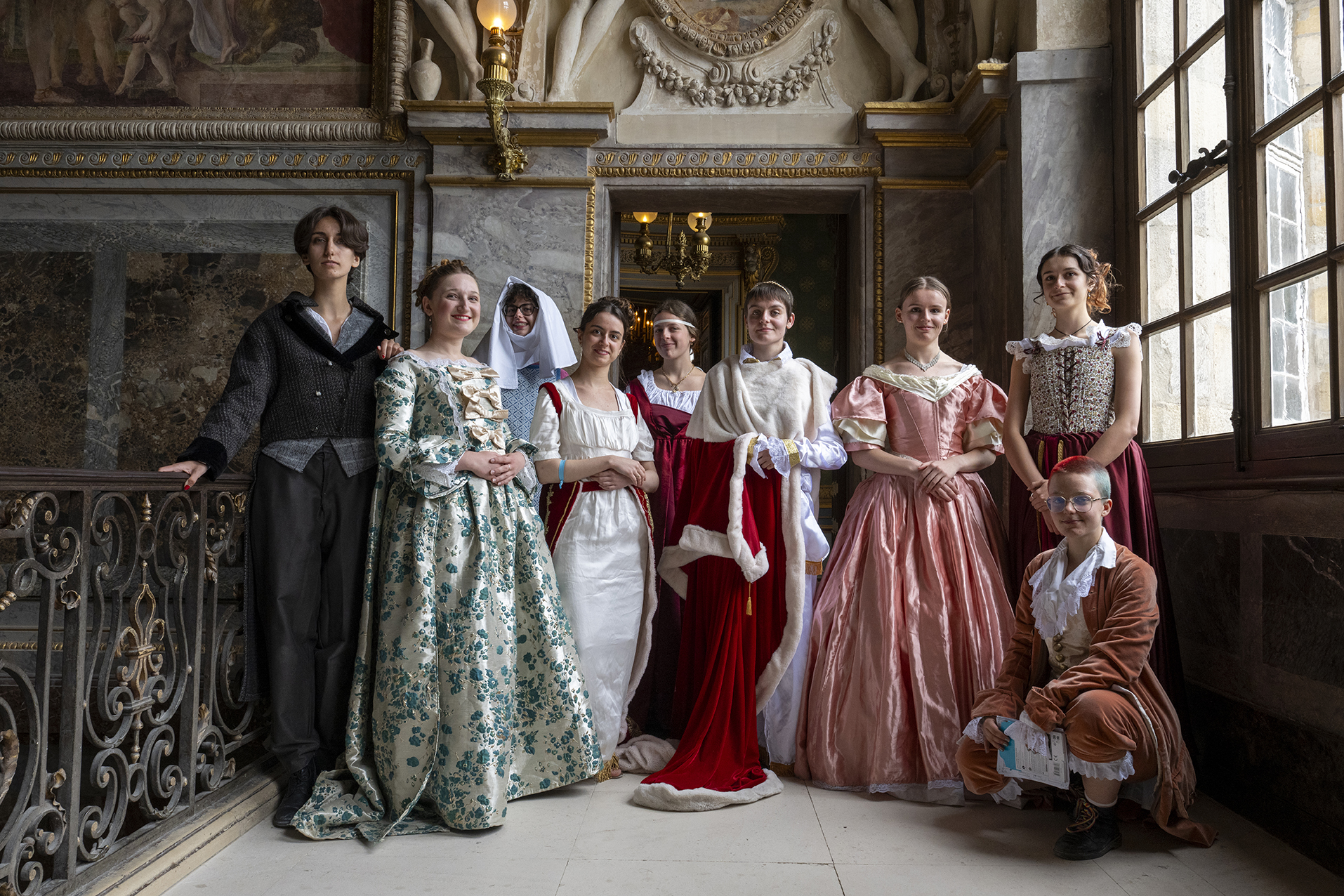
The exhibition of costumes by Christian Lacroix and the carte blanche given to the Campus Mode, Métiers d’art et Design (MoMADe), which revived the Fashion-Z festival through performances and student-led experiments, illustrated the fruitful connections that can be forged between research, education, craftsmanship and contemporary creation, reaffirming the Festival as a space for experimentation and exchange.
A multidisciplinary programme for all audiences
At the Ermitage arthouse cinema, a programme of feature films and short films devoted to Morocco and fashion brought audiences together for screenings accompanied by discussions with filmmakers and critics.
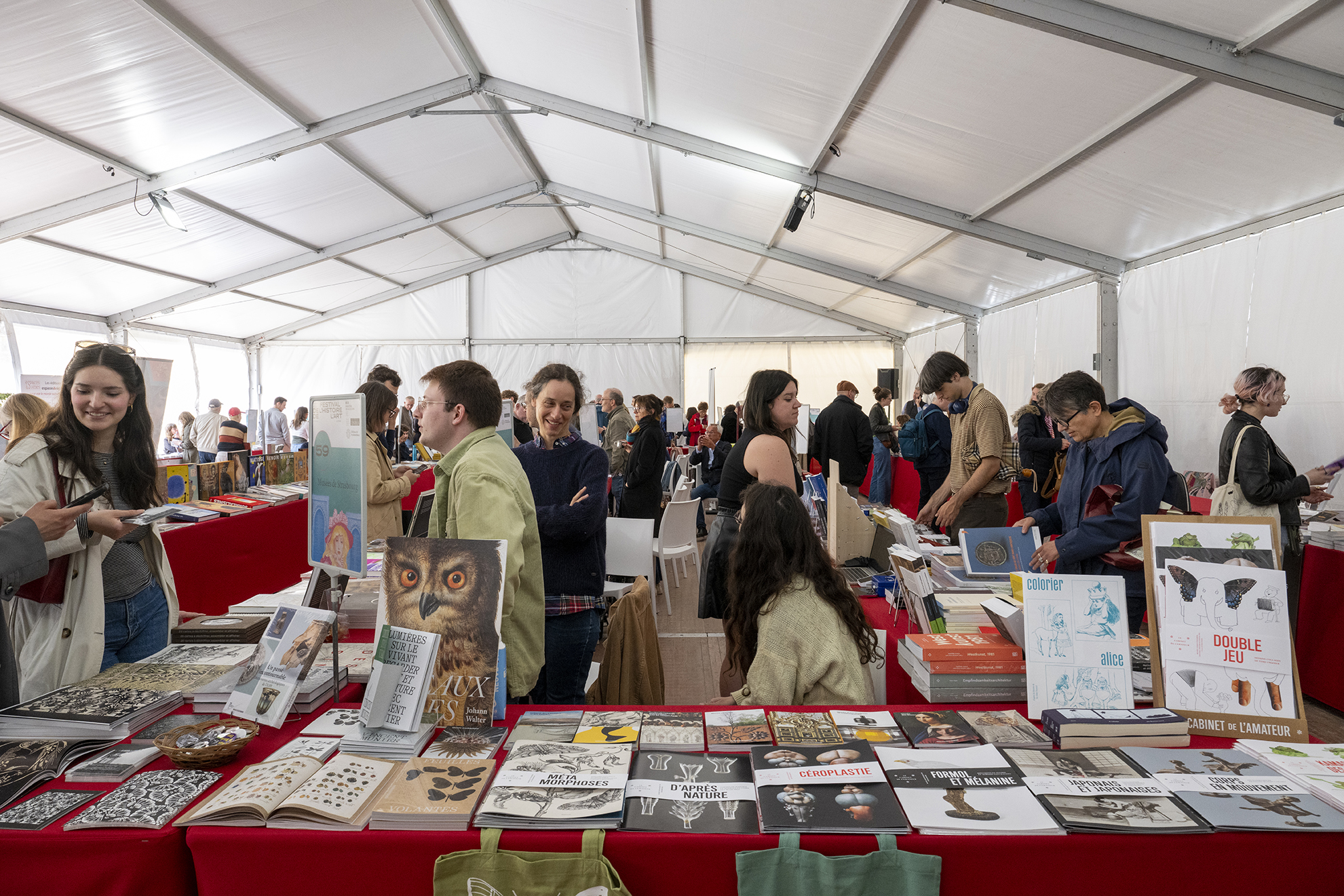
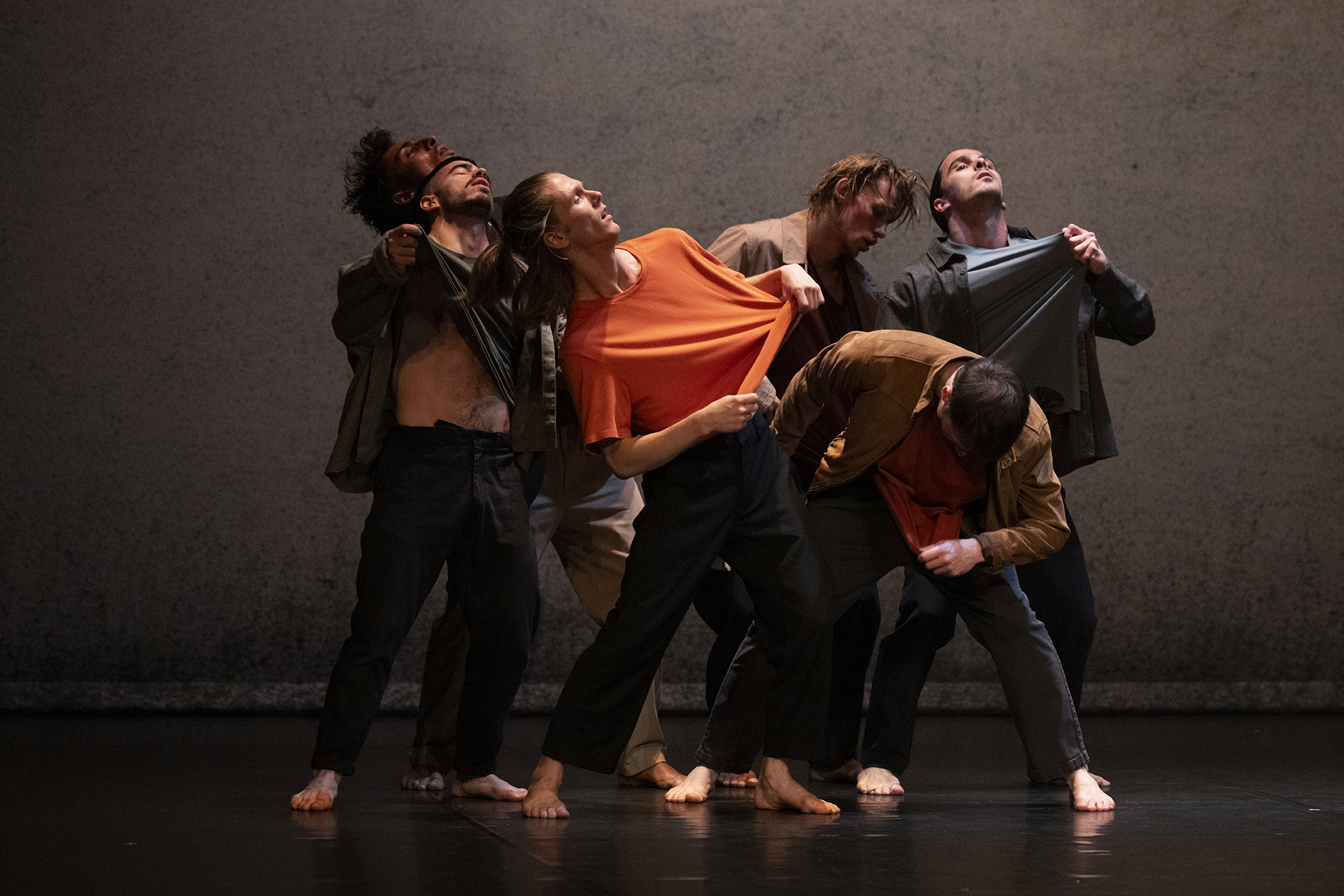
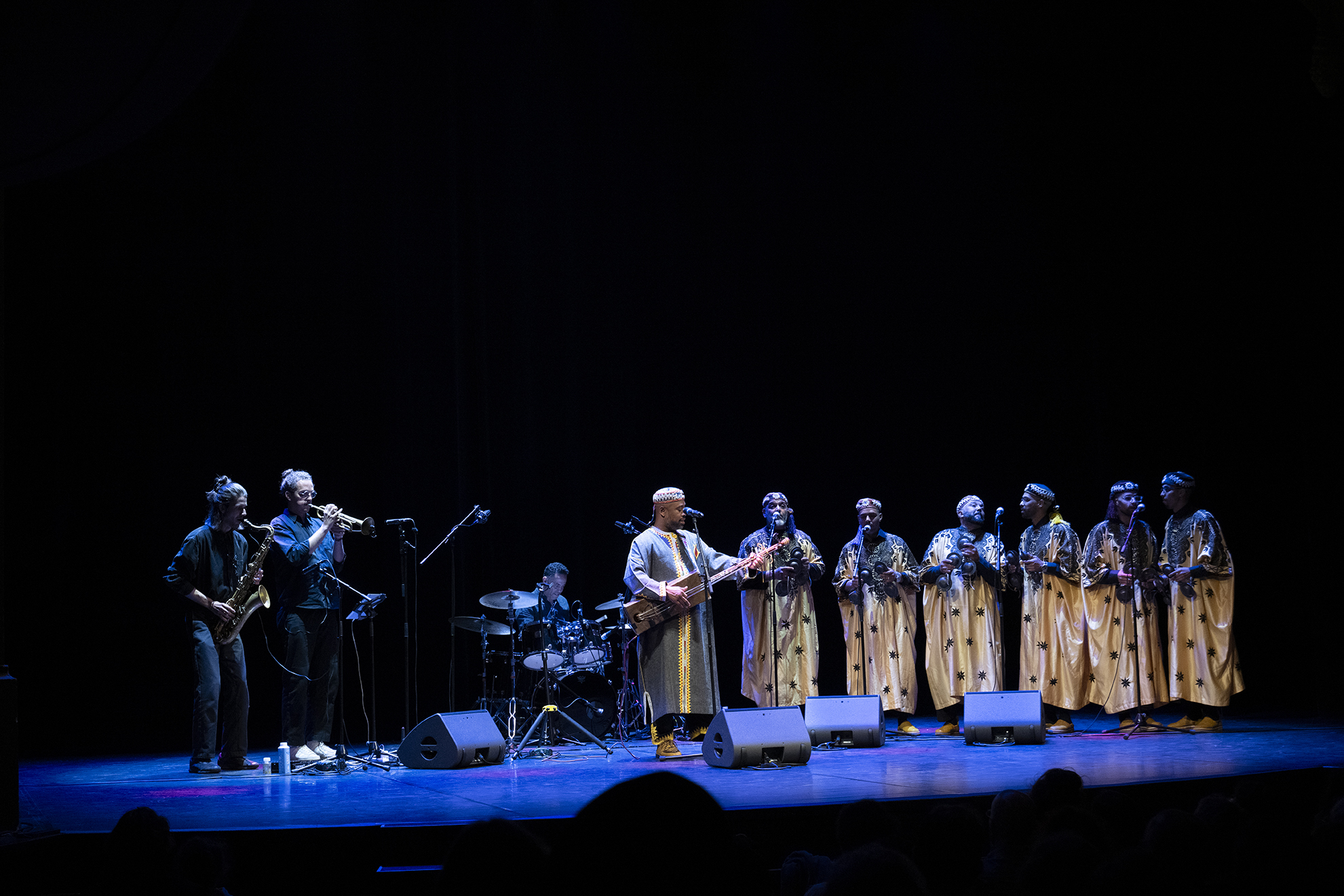
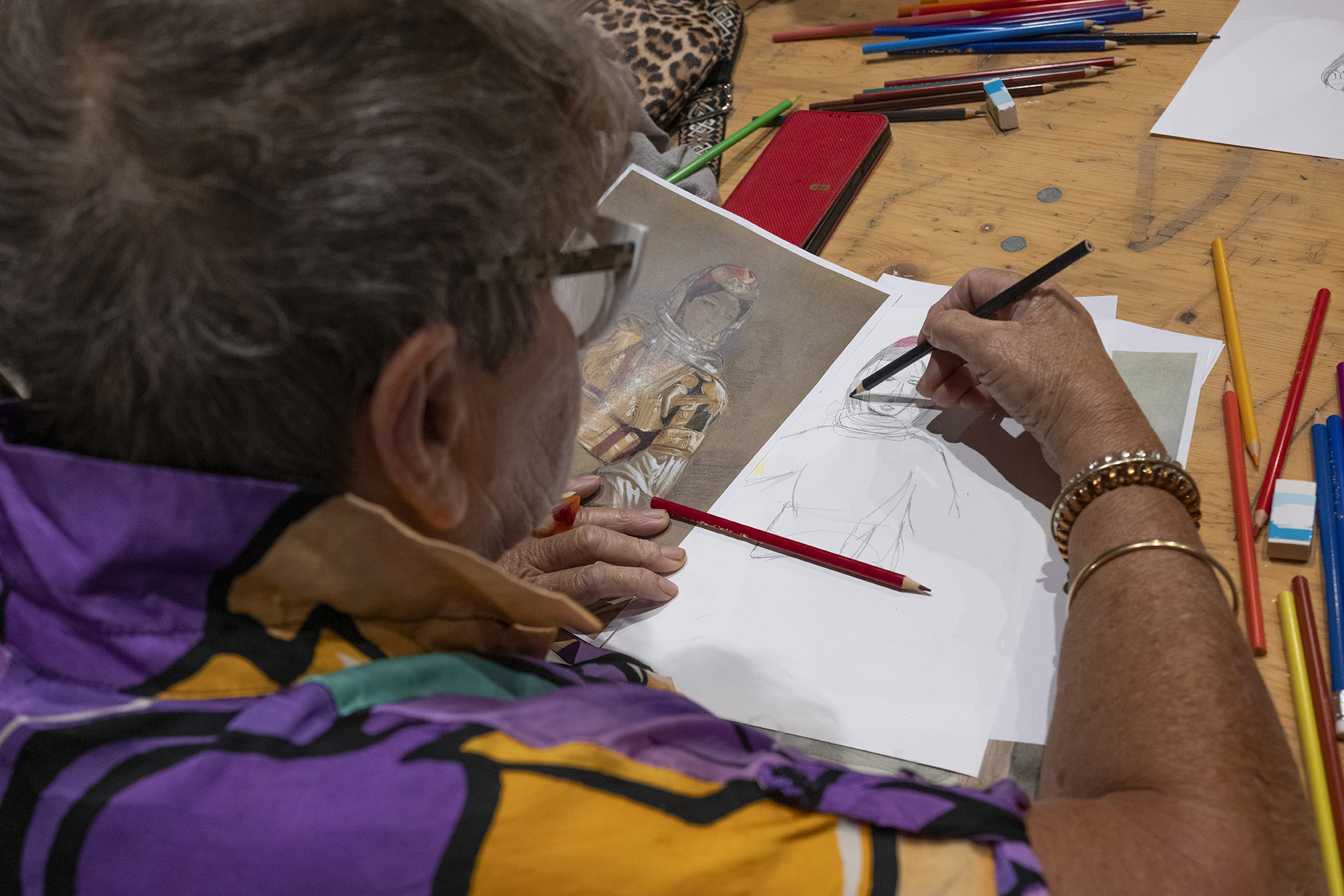
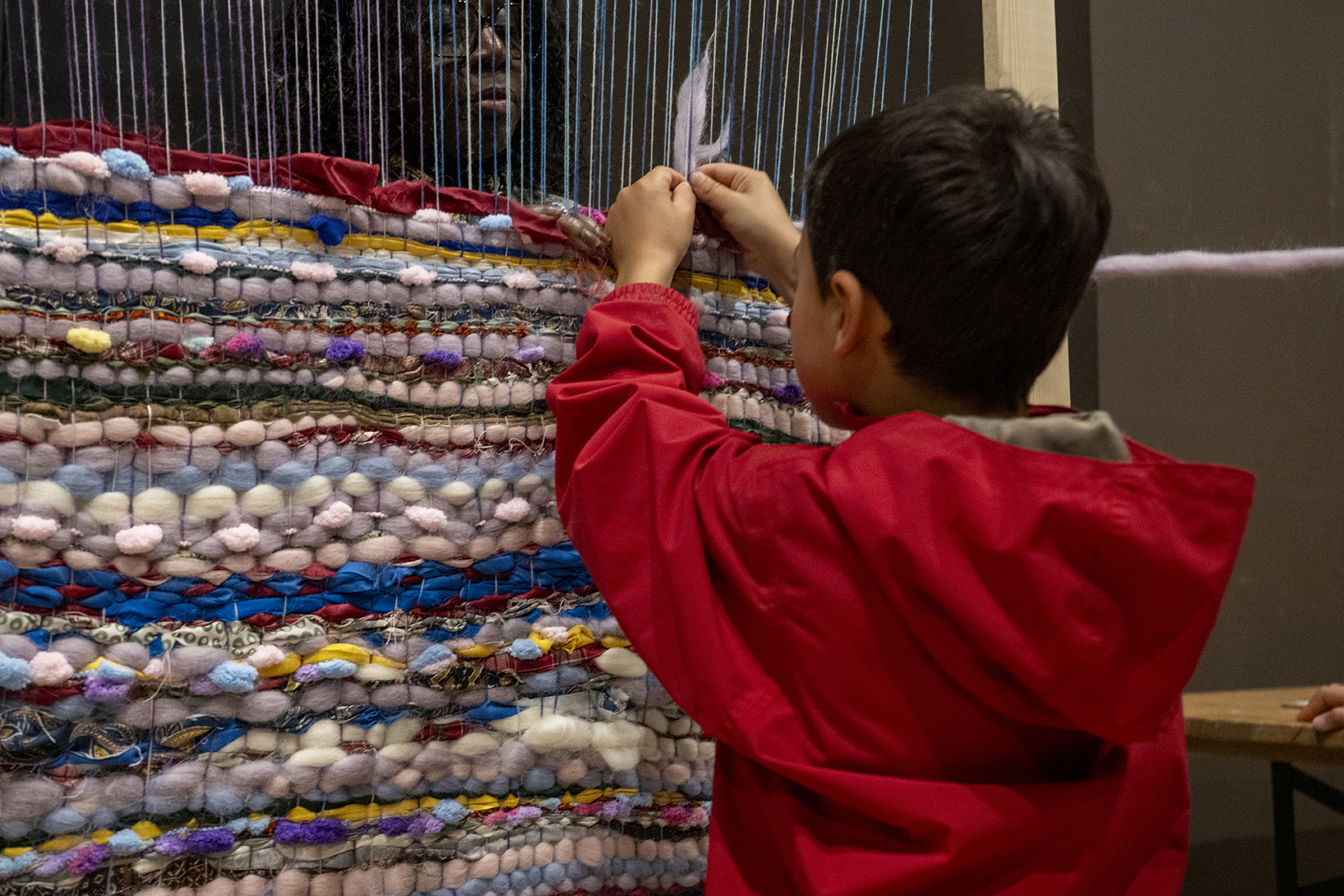
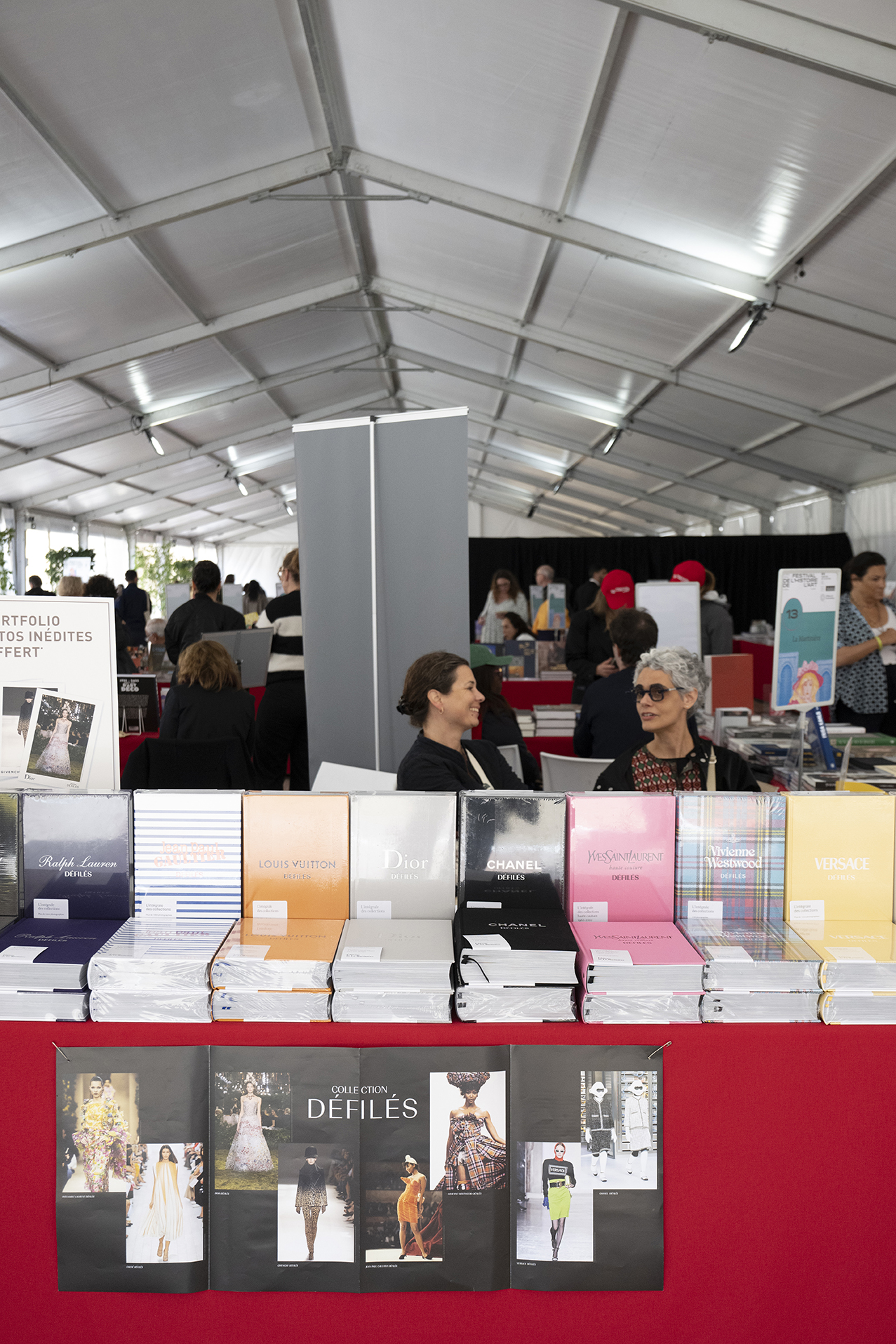
The Art Book and Magazine Fair, organised with the support of GrandPalaisRmn, once again provided a unique forum for exchange between authors, publishers, booksellers and readers. Performances, concerts, workshops, guided tours and artistic events extended these conversations through formats designed to be accessible and open to all.
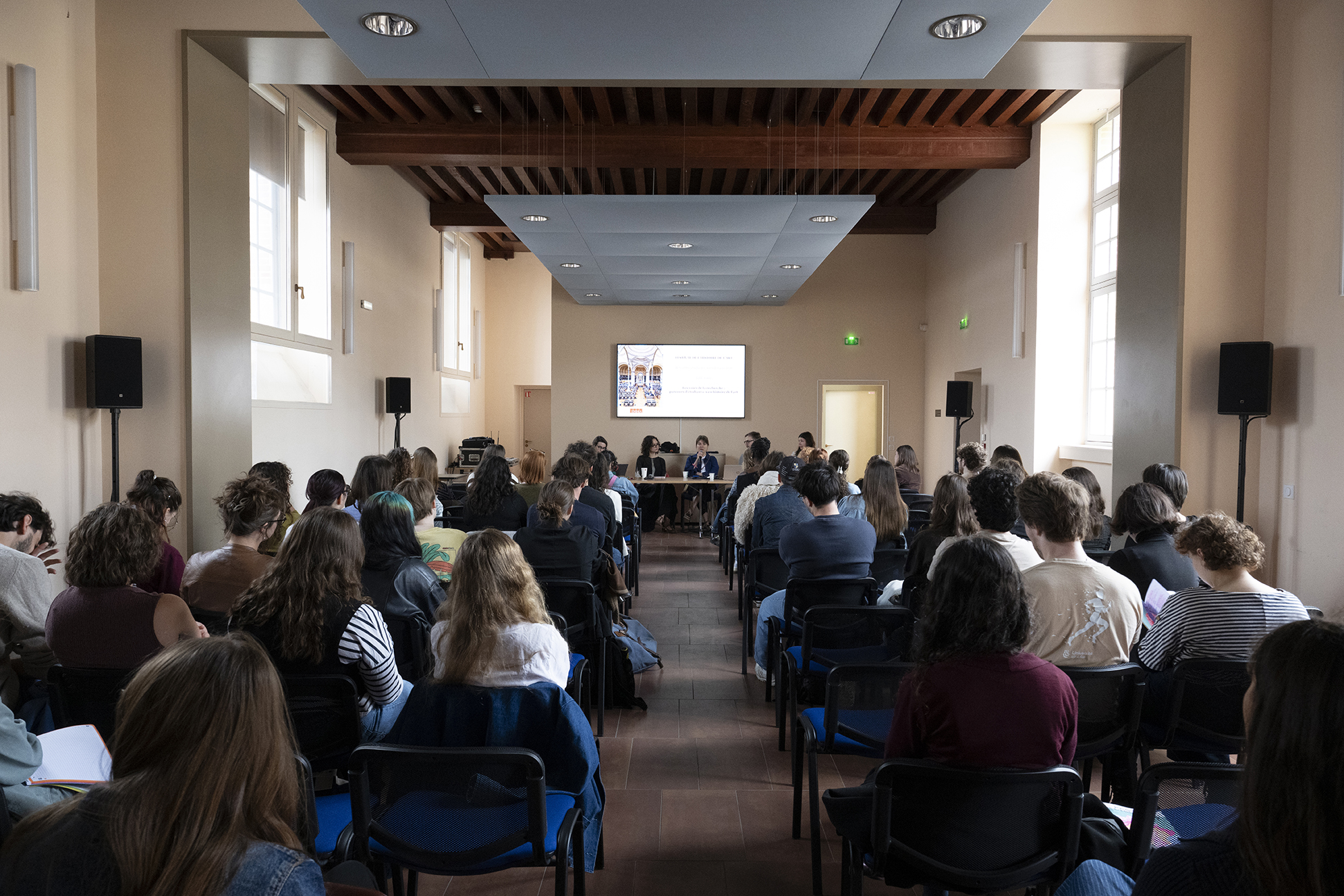
The Festival also reaffirmed its commitment to disseminating research and sharing knowledge through presentations of numerous research projects, professional encounters, events for students, and the Spring School of Art History, devoted this year to the theme “Art and Fashion: Borrowings and Influences” and bringing together teachers from across France.
By fostering encounters between disciplines, generations, institutions and artistic scenes, this anniversary edition demonstrated the Festival de l’histoire de l’art’s role as a place where new dialogues emerge, perspectives shift, and research is shared with the widest possible audience. In doing so, it reaffirmed the ability of art history to shed light on major contemporary issues.